

Are you transporting dangerous goods? Remember to let us know in advance
Both the Port and shipping company must be notified of shipments of dangerous goods 24 hours before the goods arrive in the port area. This duty to notify, along with other regulations governing the transport of hazardous substances, helps to ensure safety throughout the transport chain.
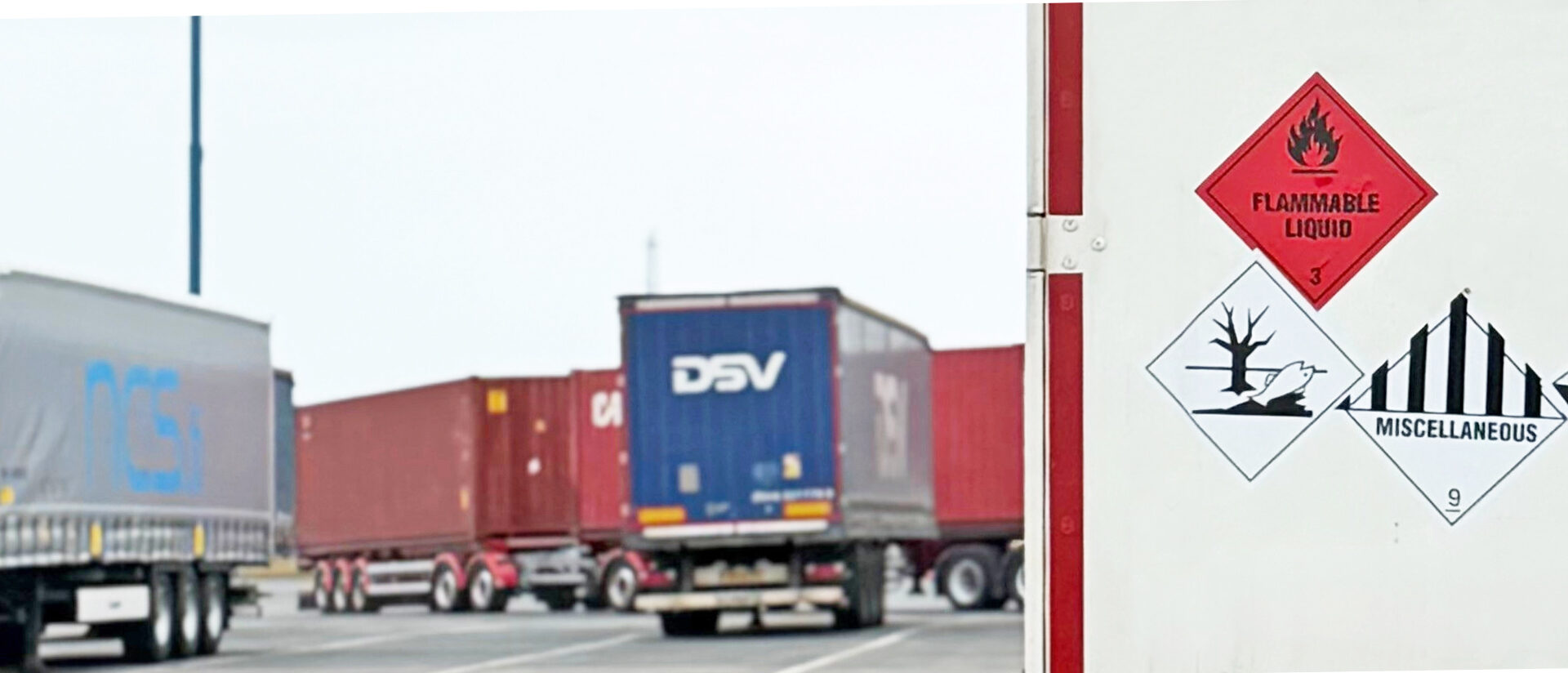
Many everyday products, such as aerosols, paints, fertilisers, fuels and pesticides, are classified as dangerous goods. The transport of these substances is subject to strict regulations, as they can pose a danger to people, the environment or property.
These regulations ensure safety throughout the transport chain.
“It’s the shipper’s responsibility to ensure that the goods are properly identified and classified. Dangerous goods are divided into nine categories,” says Martin Härginen, Traffic Coordinator at the Port of Helsinki.
The shipper must provide advance notification of dangerous goods to the Port no less than 24 hours before the goods are brought into the port area. This must be done in addition to the notifications to the shipping company and port operator.
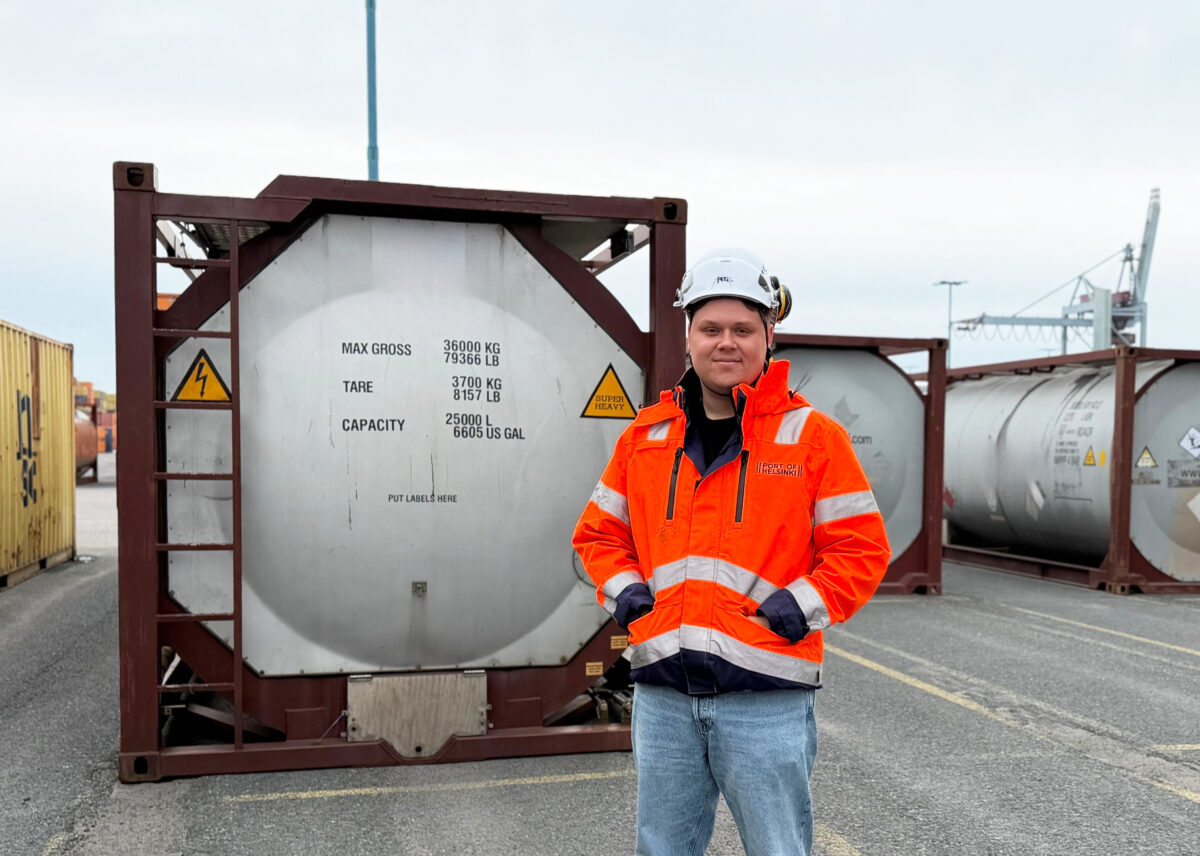
“We need to be notified in advance so that we know which substances are coming, and can prepare for their arrival and prevent accidents,” says Härginen.
The duty to notify in advance applies also to empty, unwashed transport units for dangerous goods.
Notification system makes life easier for shippers
The Port of Helsinki has a notification system for dangerous goods that is unique in Finland. It makes things easier for both shippers and the Port. The system asks shippers a standard set of questions about the contents of each shipment. This ensures that the notification contains all of the required information.
The system also ensures that the Port receives dangerous goods notifications in a standard format, so that the data is easy to process. This is much more reliable than processing notifications via email.
Shippers must currently notify both the Port and shipping company. A terminal notification is made to the port operator.
“Our goal is for shipping companies to provide us with this information directly. It would make everyone’s life easier, and ensure that we receive timely information about shipments,” says Härginen.
He points out that advance notification is a legal requirement that enables the port to prepare for risk management and prevention.
The Port of Helsinki charges a fee for transport units containing hazardous substances in order to cover the costs of control and safety measures.
Explore, register or log in to the Port of Helsinki’s Dangerous Goods system here.
Customs actively inspects cargo
The authorities monitor cargo traffic at Helsinki harbours. Any unannounced shipments – aka ‘grey cargo’ – will be stopped. Customs will inspect both the vehicle and any documents, markings or equipment required for the transport of hazardous substances. The driver’s permits and licences will also be checked.
“If a customs inspection of the cargo finds hazardous substances that were not declared in advance, the driver will receive a traffic penalty fine. In the most blatant cases of grey shipments, criminal proceedings will be initiated and the investigation will be transferred to Customs’ criminal investigation unit,” says Customs Inspector Jukka Halinen.
How often does Customs discover shipments for which no notification of hazardous substances has been made?
“The last time was yesterday,” says Halinen.
If no advance notification of dangerous goods has been made, a substantial additional fee must be paid to the Port in addition to the traffic penalty fine.
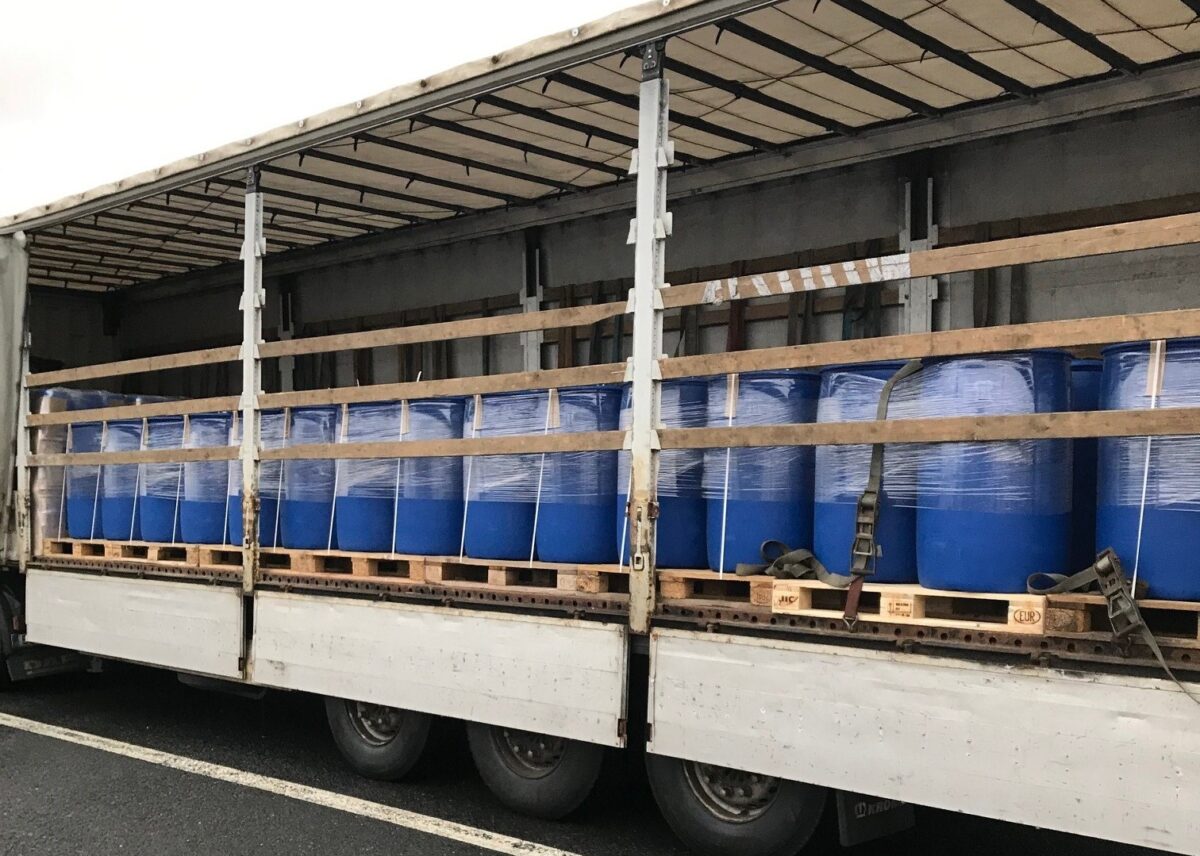
Customs Inspector Jukka Halinen tells us about a cargo unit discovered during a dangerous goods inspection:
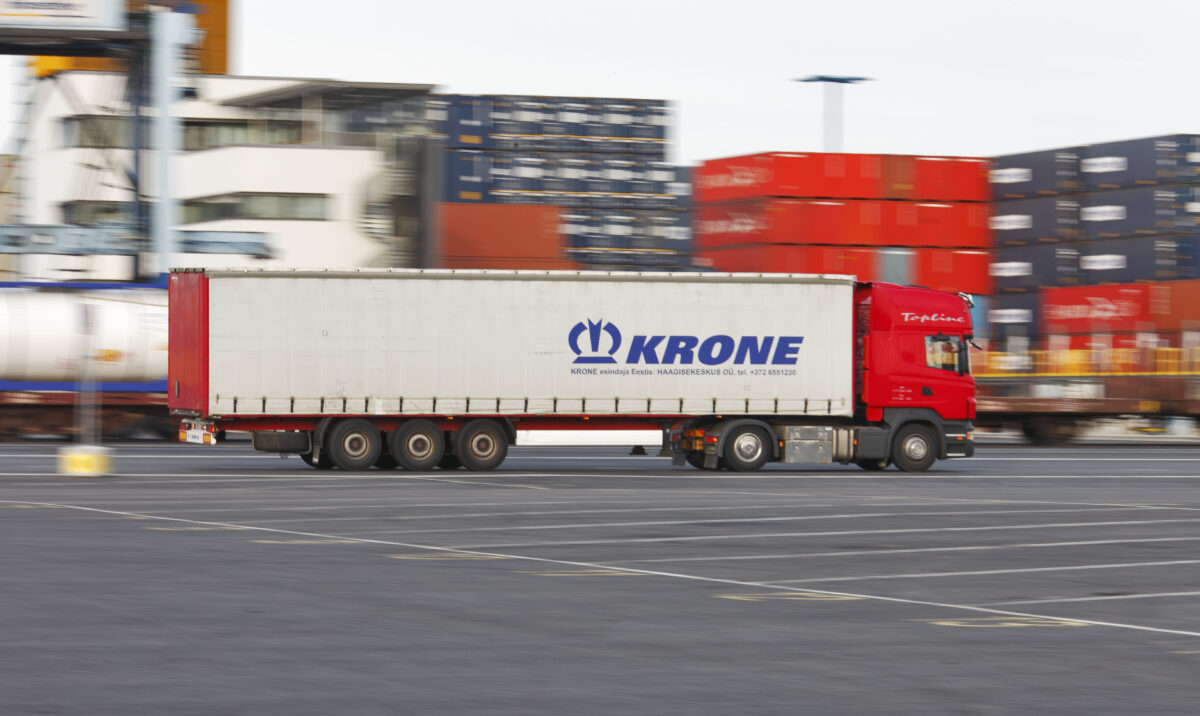
“The articulated lorry carried a full semi-trailer’s worth of Class 3 flammable liquids (almost 30,000 litres). A closer inspection revealed that this was an undeclared shipment. The articulated lorry didn’t have the proper markings, and the driver had no idea what he was transporting. The shipment is being held at Customs for further investigation.”
Safety is also important for shipping companies
Safety is a shared responsibility throughout the transport chain. Comprehensive safety begins with a good flow of information.
At Eckerö Line, failure to comply with the requirement to declare dangerous goods may prevent the entire shipment from proceeding.
“The driver must make advance notification of the substances being transported to both us and the Port. If no notification has been made, the transport unit will not be allowed onto our ship,” says Tomas Sjödahl, Cargo Director at Eckerö Line.
Safety is also ensured in the port area. Sjödahl says that dangerous goods are directed to a designated area to await their turn to be loaded onto the ship.
Passenger-car ferries make up the majority of the traffic between Finland and Estonia. Most dangerous goods cannot be transported on them.
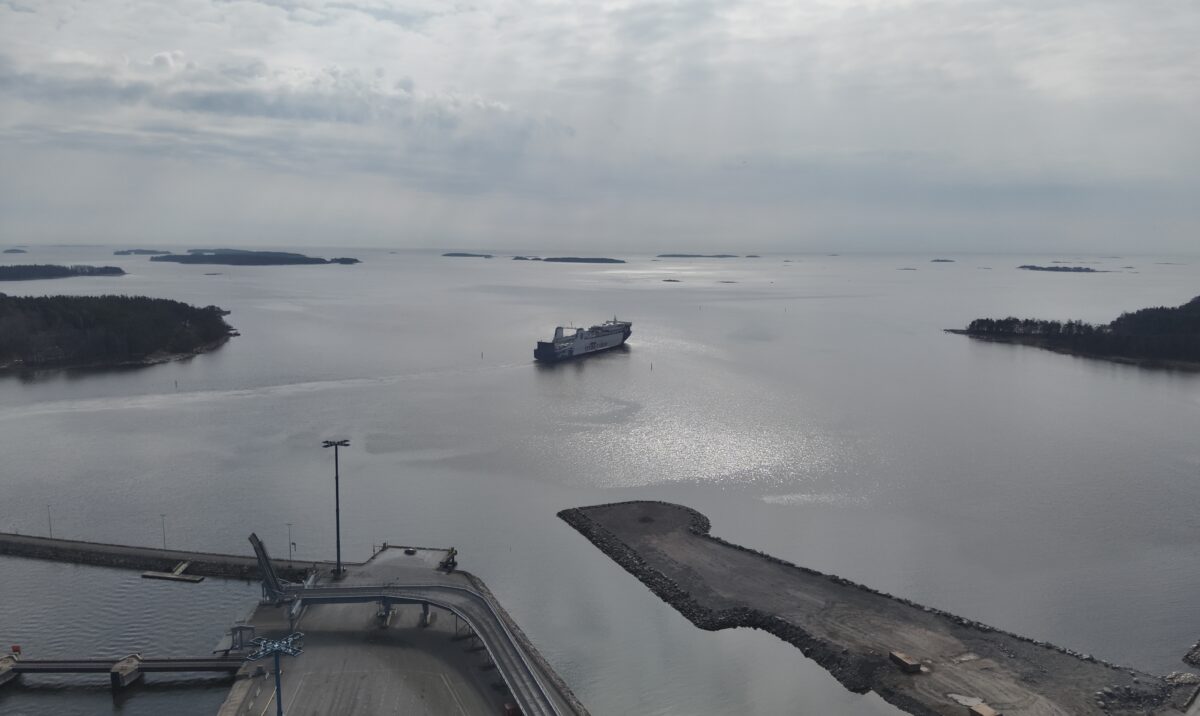
“The weather deck on Eckerö Line’s Finbo Cargo can be used to transport many hazardous substances that are not permitted on passenger ships,” says Sjödahl. For example, damaged electric cars are not transported on passenger ships. They are instead sent by cargo ship on the Vuosaari–Muuga route. Onboard this ship, Finbo Cargo, the vehicles are classified as dangerous goods and handled accordingly.
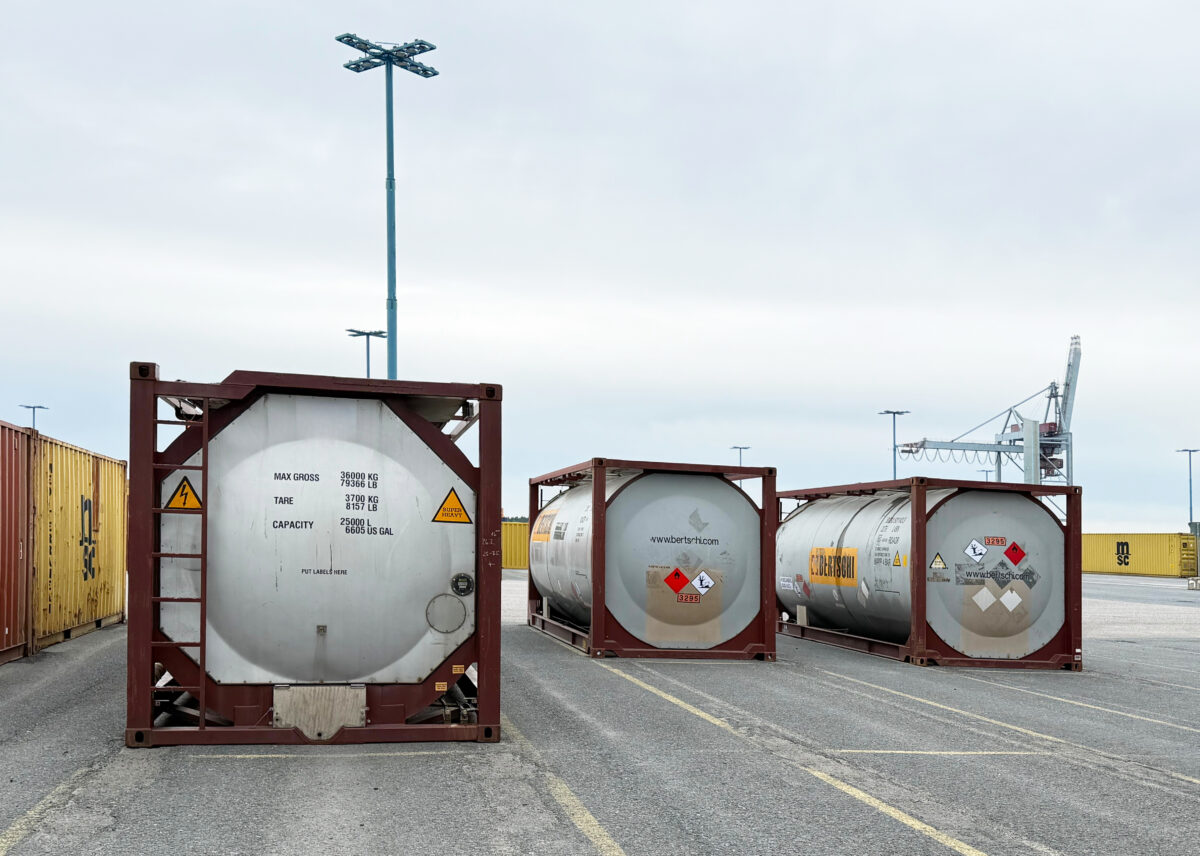
Shipper’s checklist
- If your company is required to appoint a security advisor, appoint one.
- Identify the substance: See Section 14 of the material safety data sheet or contact the manufacturer.
- Check the classification: The shipper is responsible for the accuracy of the classification.
- Use the correct packaging: Make sure the packaging bears a UN type approval mark. This indicates that the packaging has been tested and approved for the transport of that substance.
- Label the vehicle carefully in accordance with applicable regulations for the transportation.
- Get your documents in order: Record the names and classifications of the substances in the shipping documents, along with any other required information.
- Please notify us in good time: Remember to mention any dangerous goods when placing your transport order, and send your advance notification to both the Port and shipping company.
Source: Tukes