


Helsinki is an attractive tourist destination
2025 cemented Helsinki’s status as an attractive tourist destination. Overnight stays broke records, and international demand grew in all key markets. Helsinki has broad appeal, and that is precisely why we are stronger in the face of global changes. We are not dependent on a single market.
Our quality also stands up to scrutiny. The visitor experience and the feedback received by businesses are both excellent. Helsinki residents are also behind this development, as the vast majority are proud of their city as a tourist destination. And we have once again achieved a top international ranking in an annual tourism sustainability index.
Our sights are already set on summer 2026. Expectations are cautiously optimistic – and with good reason. Growth in tourism cannot be taken for granted in an uncertain geopolitical and economic climate. Which is why it is not just growth that matters, but the type of growth.
Helsinki’s strength does not lie in mass tourism, but rather in its ability to offer well-organised and memorable experiences based on our strengths. Meaningful experiences, sustainability and wellbeing are key trends in tourism. More and more people are traveling during the off-season, and that is precisely where Helsinki has potential. We can offer a combination of experiences rooted in our happiness and the unique atmosphere of the North – all year round.
“We want tourists to stay longer and delve deeper into what the city has to offer.”
The key question is: are people staying in Helsinki or is it just a stopover? Our goal is clear. We want tourists to stay longer and delve deeper into what the city has to offer. That would support not only our local economy, but also the principles of sustainable tourism and regenerative tourism, in which tourism leaves more behind than it takes away, and even makes the destination a better place.
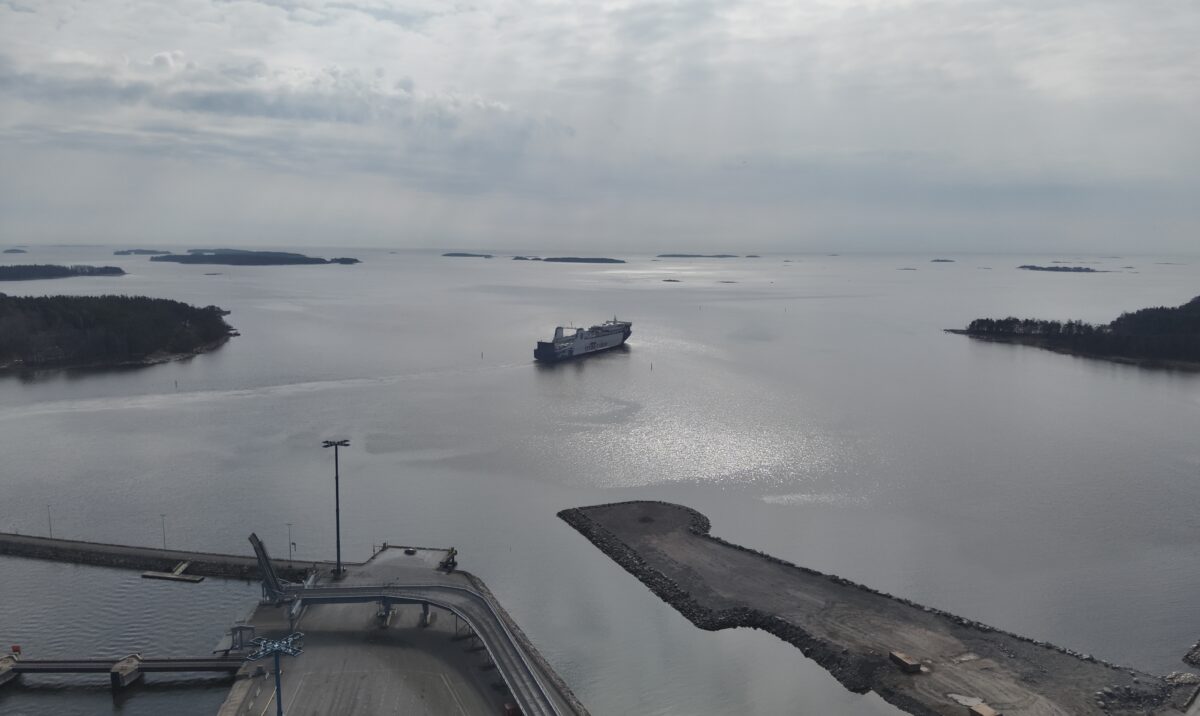
This is also where our coastal location rises to the fore. The Port and accessibility both play a crucial role. Turnaround cruises, in which the journey either begins or ends in Helsinki, will become increasingly important in 2026. They attract more overnight stays, increase service usage and give tourists a deeper connection with the city. Which is exactly what we need. Yet this development also presents us with a challenge. This new operating model requires functional infrastructure, efficient service chains, and seamless cooperation between the Port, the city and a variety of tourism operators.
Helsinki’s strength lies in its ability to reinvent itself. By combining growth based on sustainable tourism, longer stays and access by sea, we can build a tourism industry that better serves both visitors and residents. Summer 2026 will show us the way forward, but our true potential lies in innovative, vibrant, year-round tourism based on Helsinki’s strengths.