


Stockholm prepares for cargo traffic challenges
Ports of Stockholm consists of many parts. Cargo traffic has remained stable in spite of the geopolitical situation, but preparations are being made for potential changes.
Stockholm became a port and trading centre 750 years ago. For centuries, Stockholm’s shipping has been crucial not only for the city and its surrounding areas, but also for Sweden’s economy as a whole.
Ports of Stockholm consists of several parts. Värtahamnen, Frihamnen, Stadsgården and Skeppsbron are its most commercially important ports. Around half of the international cruise ships that stop in Stockholm each year call at Frihamnen. The port has several cruise berths and a large, modern cruise terminal.
Stockholm’s southernmost port, Nynäshamn, lies about fifty kilometres south of Stockholm. Both passenger and cargo ships depart from there. It is a modern passenger and ro-ro port that is served by ferries to Visby and Gdansk. The Port of Nynäshamn also accommodates larger international cruise ships that cannot, or do not need to, pass through the Stockholm archipelago.
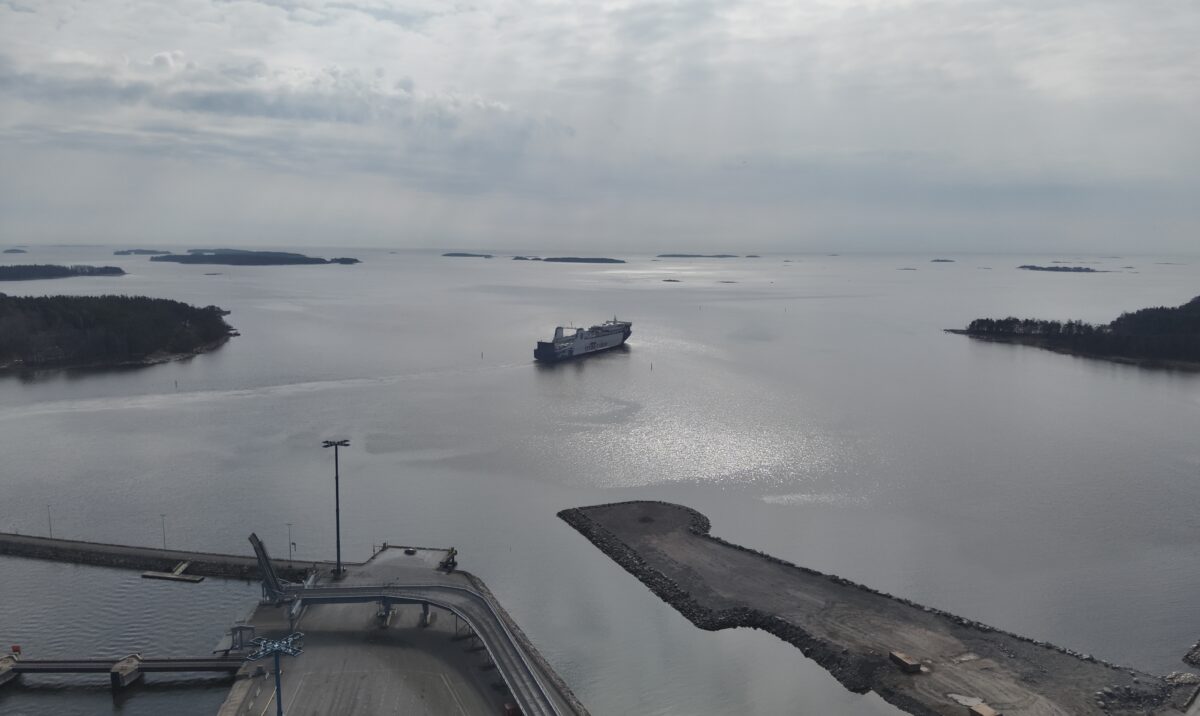
Kapellskär is Stockholm’s northernmost port. Its location, combined with very short sailing times, enables the speedy transport of goods and passengers to Stockholm and the Mälardalen area, as well as to the rest of Sweden, Finland, Norway, the Baltic countries and mainland Finland.
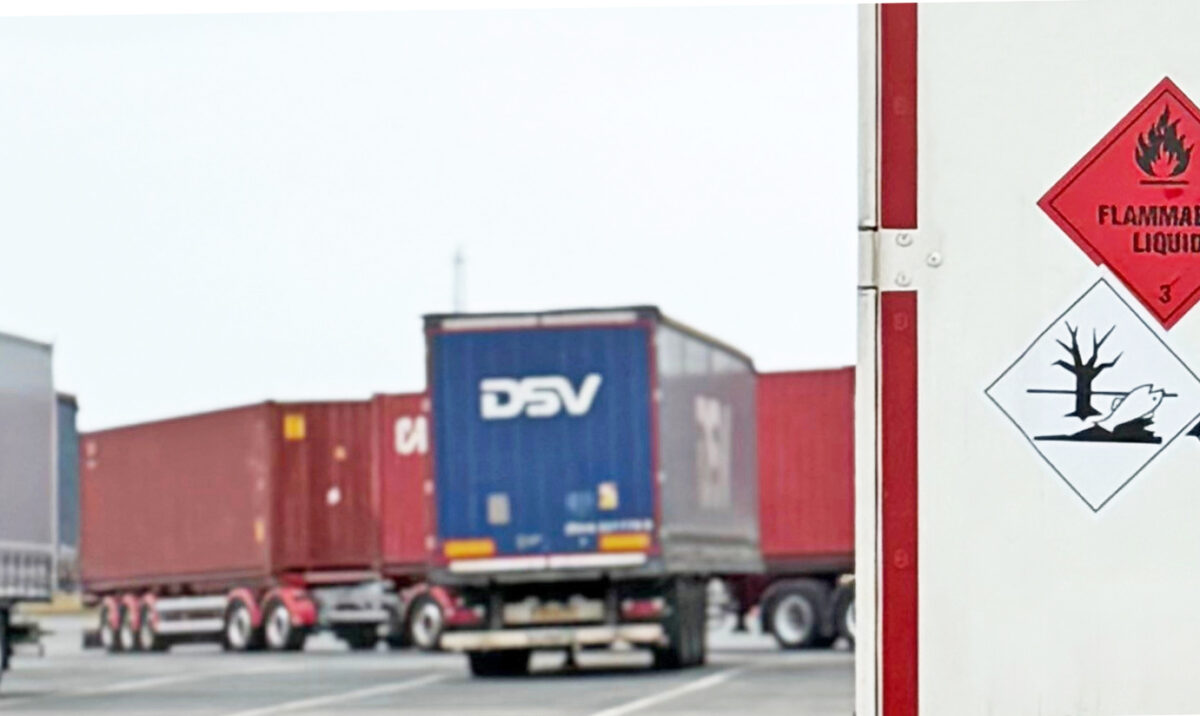
Norvik is a new, modern ro-ro and container port in a prime location on the Baltic Sea. Short sailing times and efficient transport links provide direct access to one of Europe’s fastest growing regions. Norvik is by far the closest container terminal to Sweden’s largest consumption area.
Stable cargo traffic
Cargo traffic at Ports of Stockholm has remained stable this year in spite of the geopolitical situation, says Johan Wallén, Chief Commercial Officer at Ports of Stockholm.
“We expect next year to be similar in terms of continued growth in ro-ro and container traffic, and with regard to stable demand for bulk and project cargo traffic. However, we’re also preparing for potential market changes both in the Baltic Sea region and globally.”
Cargo customers are facing a challenging market with rising costs and increasing competition.
We are investing in efficiency.
“We work closely with them to understand their needs and offer competitive prices and services. Whilst we’re not immune to market pressures, we are committed to maintaining high levels of quality and service. We’re investing in new infrastructure, technologies and processes to improve efficiency and reduce costs,” says Wallén.
“Cargo prices for containers are falling sharply, due to overcapacity on eastbound services in particular. This is problematic for shipping lines. However, Stockholm is more of an import region and westbound prices are still at an acceptable level. We are not, therefore, as strongly affected by exports as more export-driven ports.”
The construction sector is important in terms of goods passing through ports.
“As the construction sector is going through challenging times, this is also affecting us, However, we have seen a change in this area in recent months, and particularly in goods coming from the Baltic countries,” says Wallén.
Sustainable solutions
“We work closely with our customers to deliver sustainable and efficient port solutions. We have been working on electrification with Viking Line since the 1980s, and inaugurated a second onshore substation for cruise ships this year. Tallink Silja is connected to shore power at all berths at the Port of Värtahamnen. We have also been working on electrification and automooring solutions with Finnlines,” says Wallén.
Like Helsinki, Stockholm is working on creating a green corridor between Finland and Sweden.
“We want to provide a green and efficient transport solution for end users.”
Ports of Stockholm and its partners have launched an innovative project that combines shore-based power supply with microgrid technology. This initiative will reduce emissions, improve energy efficiency and increase the port’s ability to meet future sustainable energy requirements.
The port is working strategically to meet the EU’s 2030 requirements for shore power connections for ships.