

Tuna has a long way from Vietnam to Vuosaari
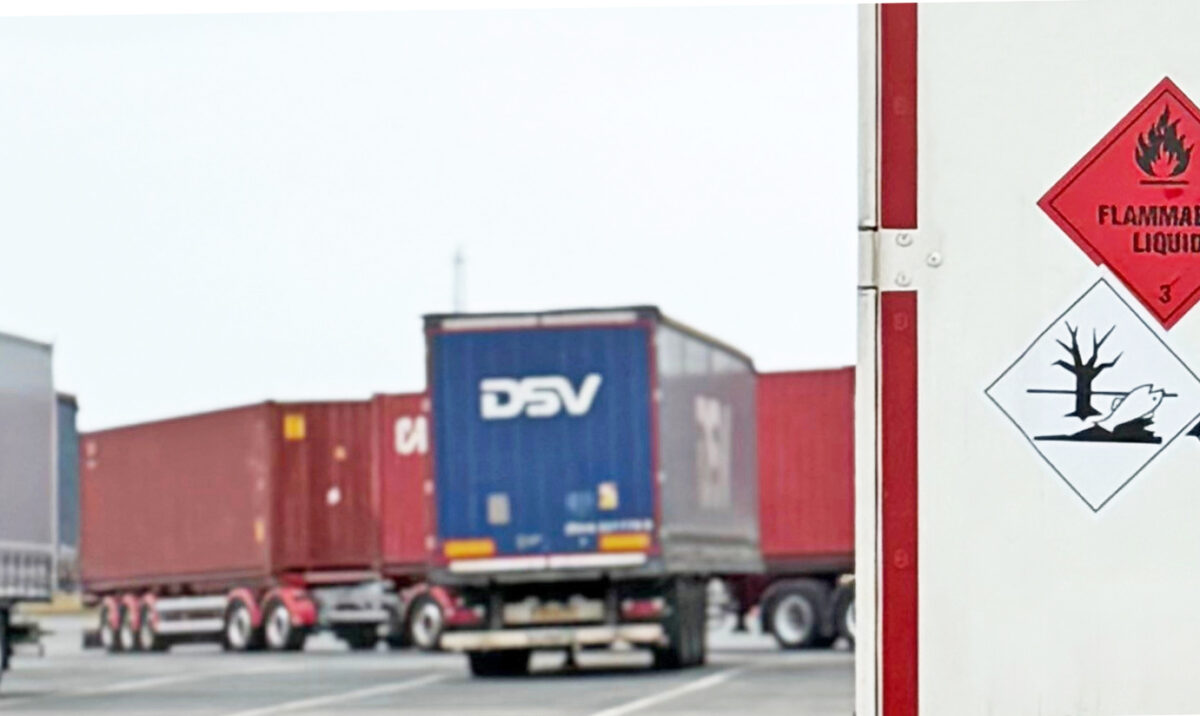
Tuna is an important fish for Finns. Finland is a large consumer of tuna in comparison to other Nordic countries. All tuna containers from faraway countries are imported to Finland via Vuosaari Harbour.
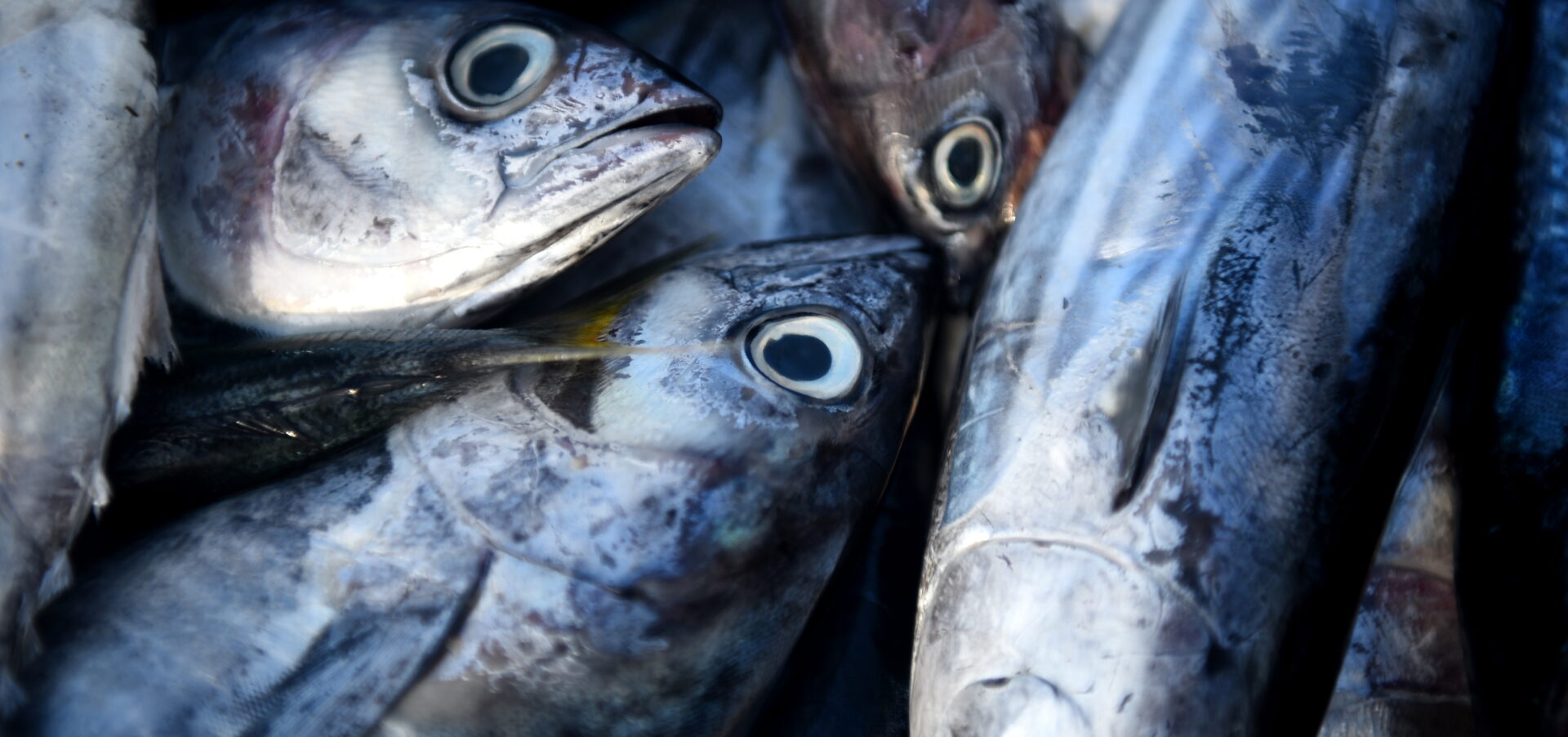
Tuna has always been a delicacy in Finland, whereas mackerel is more popular in other Nordic countries. Most of the tuna sold in Finland is skipjack tuna, which is not actually real tuna. However, it can be sold as tuna as long as its scientific name is shown on the can. And unlike bluefin tuna, skipjack tuna are not an endangered species.
“We also sell yellowfin tuna. The albacore is one of these species of yellowfin tuna,” says Marja Kauko-Achy, Category Manager at SOK.
Unlike skipjack tuna, yellowfin tuna are true tuna.
SOK has a fish policy that defines acceptable fishing areas and methods, and approved species. This policy is closely monitored and its content is updated annually.
“We also employ MSC certification, and will gradually move to full MSC certification next year. We strive for sustainability and a sustainable stock of fish. We are much stricter in this respect than many other European countries,” says Kauko-Achy.
MSC certification guarantees that the fish have been sustainably fished in accordance with the Marine Stewardship Council’s Fisheries Standard.
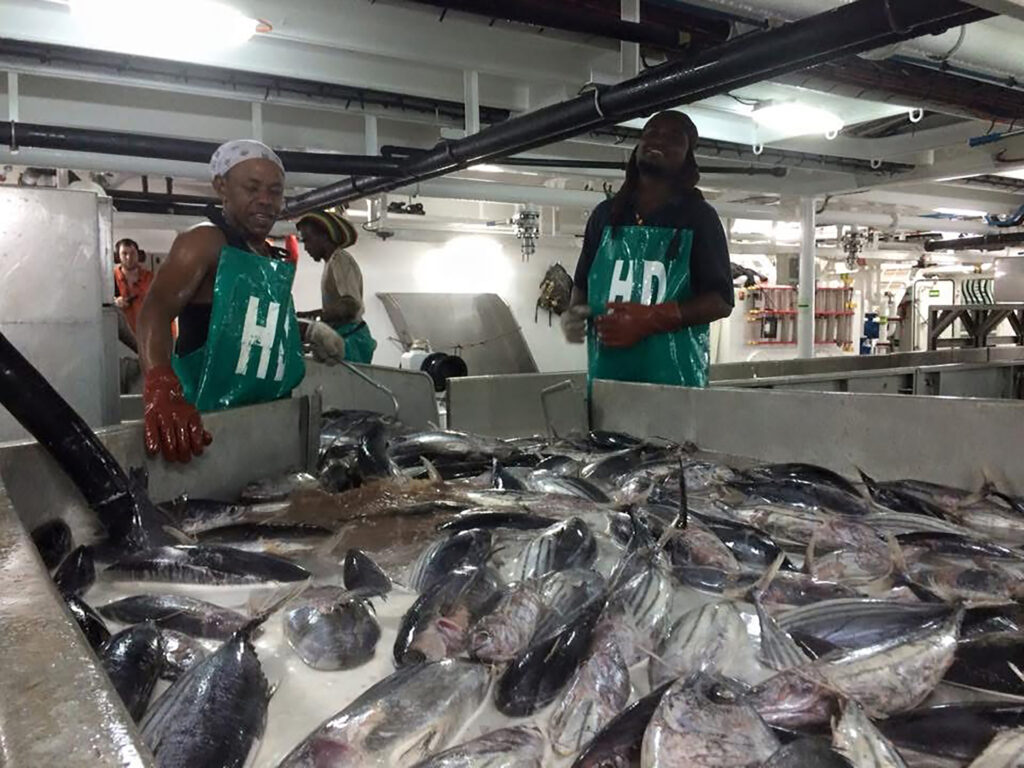
Bluefin tuna are caught in all major sea areas. The fish are immediately frozen onboard the fishing vessel while they are still fresh. They are then transported from the port to a packing plant, where they are washed, cut, canned, stored and sent back to the port.
All the tuna that you can buy is wild, as no one has yet succeeded in farming tuna.
A two-month trip
When tuna are landed onto a boat in Vietnam, a purchase order is placed by SOK’s supply chain planner in Finland. SOK then works out how to ship the cans from their country of origin in a timely and efficient manner.
Samples of the batch are submitted, tasted and checked to ensure that they meet the criteria and requirements.
“The order will then be forwarded to Kuehne+Nagel, one of the world’s largest logistics operators,” says Lasse Korhonen, International Logistics Manager at INEX.
“The supplier places a transport order in the Kuehne+Nagel system, which contains our purchase orders. Kuehne+Nagel plans the shipment, that is, reserves the containers and berth in accordance with the transport order and delivers the empty container to the supplier’s warehouse for loading.
Finns eat around 36 million cans of tuna per year.
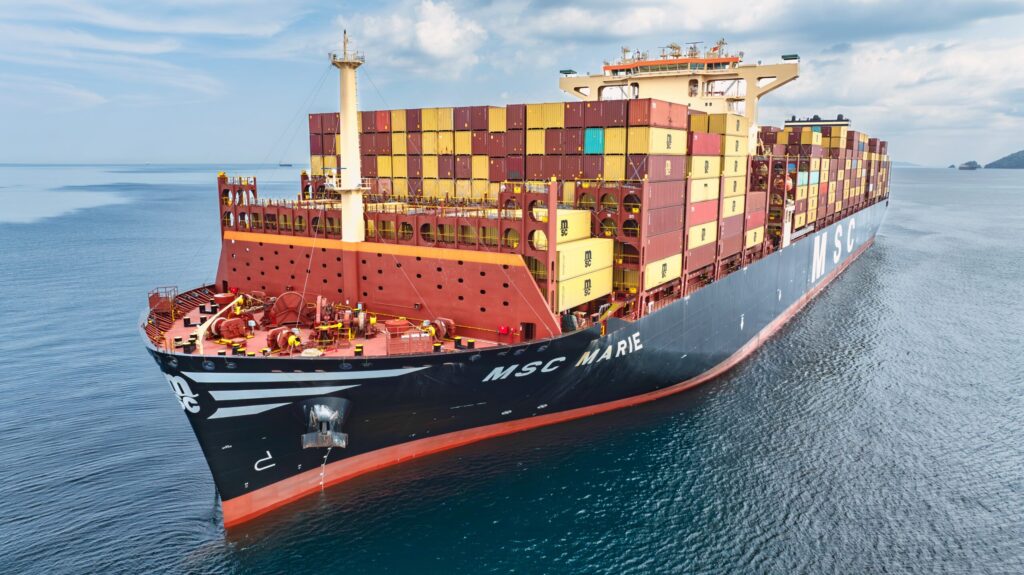
The container will be loaded onto an ocean-going vessel in the Vietnamese Port of Vung Tau (now part of Ho Chi Minh City), from where it will sail to the Port of Singapore. The container will then be transferred to another container ship, the MSC Marie, which will bring the container to the European Port of Antwerp.
“These journeys are currently quite long, as ships have to go around Africa on their way to Europe. Each extra one-way trip around Africa will add ten days to the journey,” says Korhonen.
Container ships used to sail through the Suez Canal until November 2023, when Houthi attacks led to a change of route.
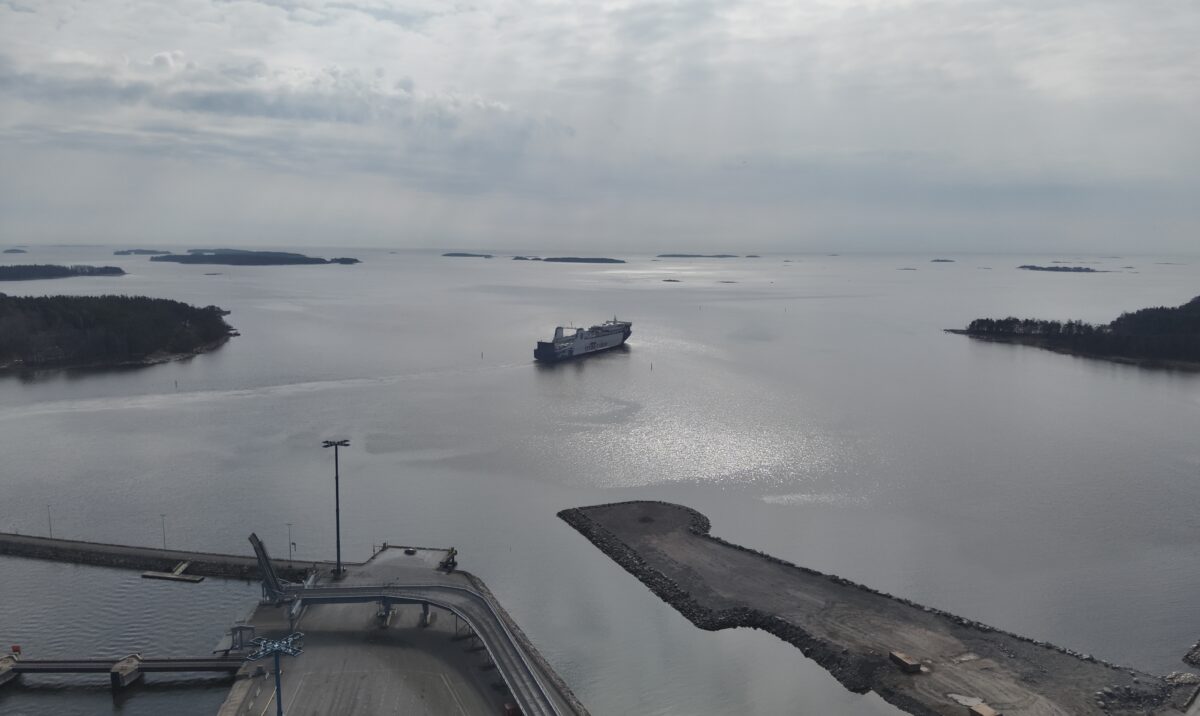
Once the MSC Marie arrives in Antwerp, the tuna container will be transferred to a smaller feeder vessel that will bring it to Vuosaari.
Always well prepared
INEX prepares for customs clearance and official declarations while the shipment is still on route.
“A container may contain catches from several different fishing vessels. The factory provides us with detailed information, including catch certificates for each batch, which we then forward to the ELY Centre’s Fisheries Authority at least one week before the containers arrive in Vuosaari. The authorities check that the declarations meet all of the applicable criteria. We prepare the documents and arrival notices for veterinary border control a couple of days before the tuna is taken to the Vuosaari border inspection post, so they know what’s coming,” says Jarno Pakalén, a forwarding manager at INEX.
“When drivers collect containers from the port and take them to the inspection post, they will have the original documents with them for inspection.”
Onwards to local stores
The recipient can view all of the shipment’s status information at product level in Kuehne+Nagel’s system, such as whether the purchase has been booked, whether shipping has been completed, how many packages and kilos are in transit, and when the ship is arriving.
“Data is sent to several systems in order to support multiple retail functions. Control data is very well integrated into the system,” says Pakalén.
In spite of having digital systems in place, paperwork is still used: for example, the original catch certificates are sent to Customs after clearance.
“Our partner brings the tuna containers to our warehouses, either the buffer stock warehouse or the one in Sipoo. The tuna shipment will be received by the warehouse, and will remain there on pallets until an order is placed.”
Deliveries from the Sipoo logistics centre are usually made via regional terminals to the S Group’s approximately one thousand stores. The tuna then makes its way from store shelves onto Finnish pizzas, pastas and salads.
Facts
- Tuna thrive in warm waters, large oceans and big schools.
- Tuna are usually fished with a purse seine, hand line, trawl or pole-and-line. Tuna fishing is very strictly regulated. Methods that attract tuna to fishing grounds may only be used at certain times of the year.
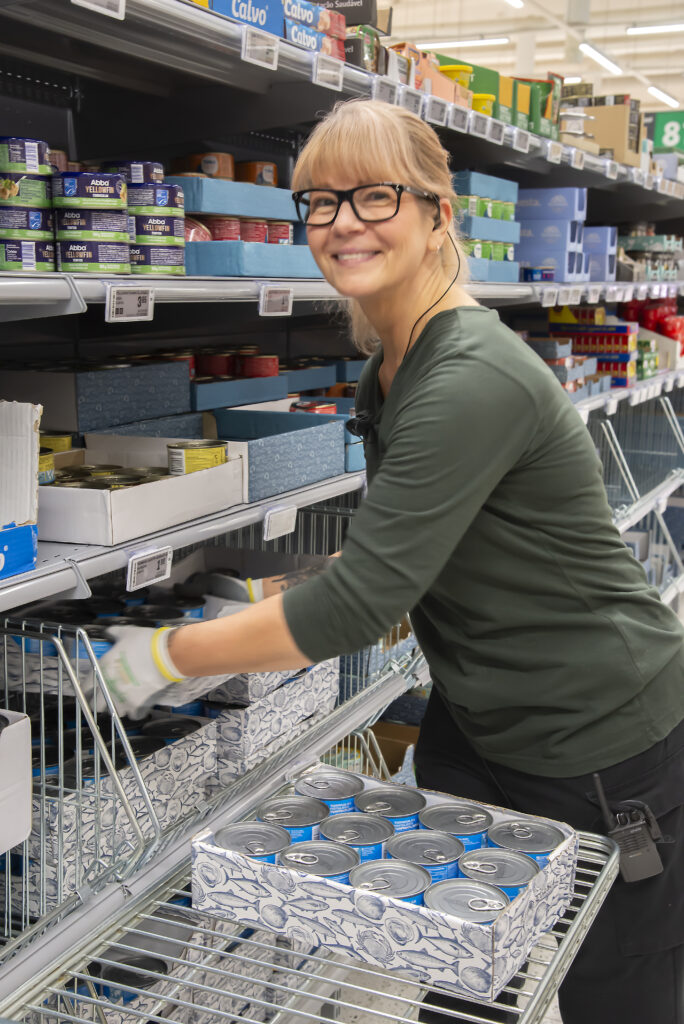
- The S Group sold more than 2.2 million kilos of canned tuna last year
The Port of Vung Tau is a major cluster of deep-water ports. More than hundreds of millions of tonnes of goods pass through these ports every year, and containers are accounting for a rapidly increasing share. The port’s location and logistical connections make it an important gateway for both Vietnam’s foreign trade and the oil and gas industry.