

Daniel Sazonov, Mayor of Helsinki: “The port is the driver of Helsinki’s economy and vitality”
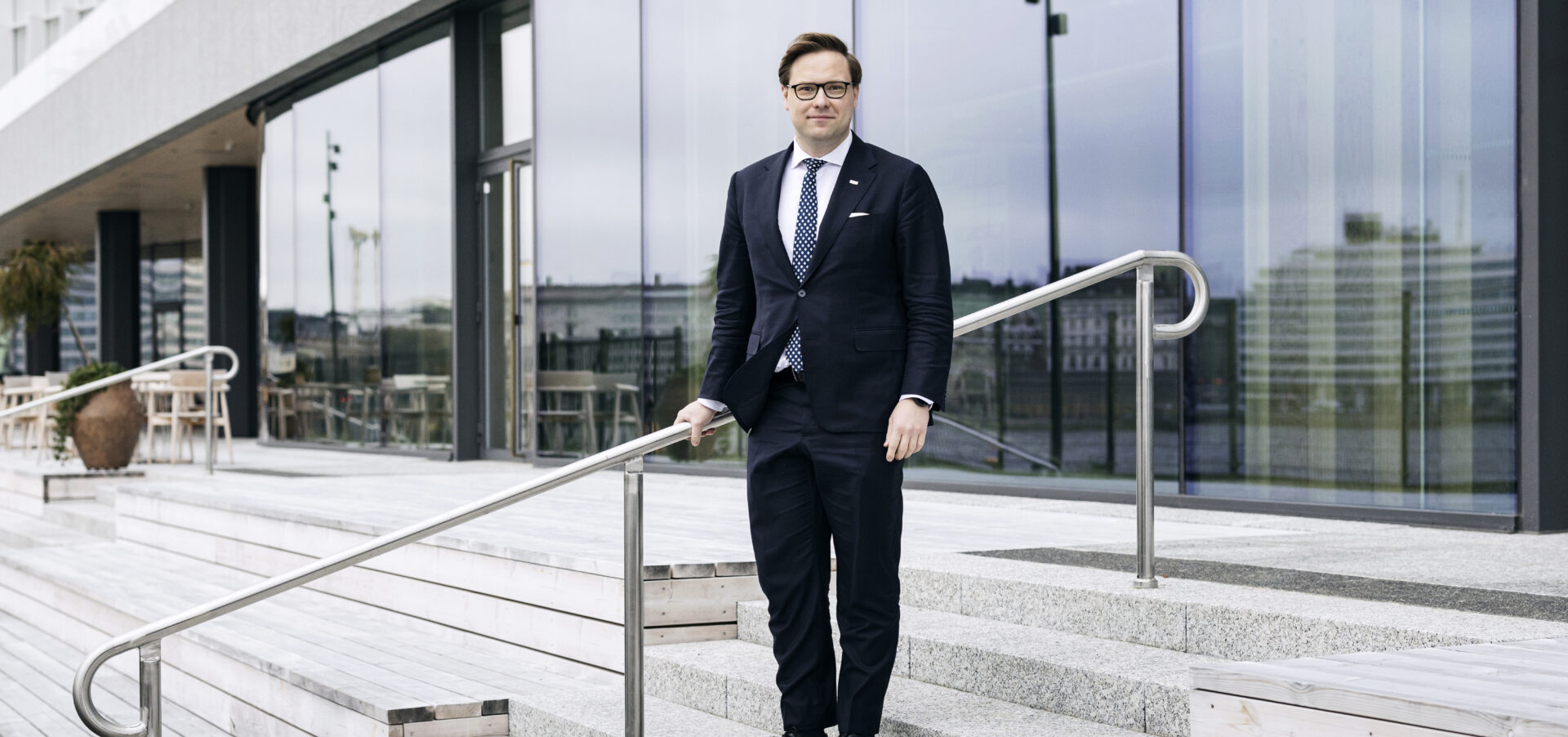
“Harbours lie at the heart of Helsinki’s economy and vitality, and their modernisation will determine the city’s future,” says Daniel Sazonov, Mayor of Helsinki, who is building a positive growth spiral for the city.
Just outside the mayor’s office, there is an impressive painting by Oscar Kleineh. The picture dates from 1877, and shows sailing ships gliding towards the Port of Helsinki. This same view still greets you from the windows of City Hall today, although the sailing ships have been replaced by cruise ships.
“Helsinki was built around its harbours,” says Daniel Sazonov, who took office as mayor in June.
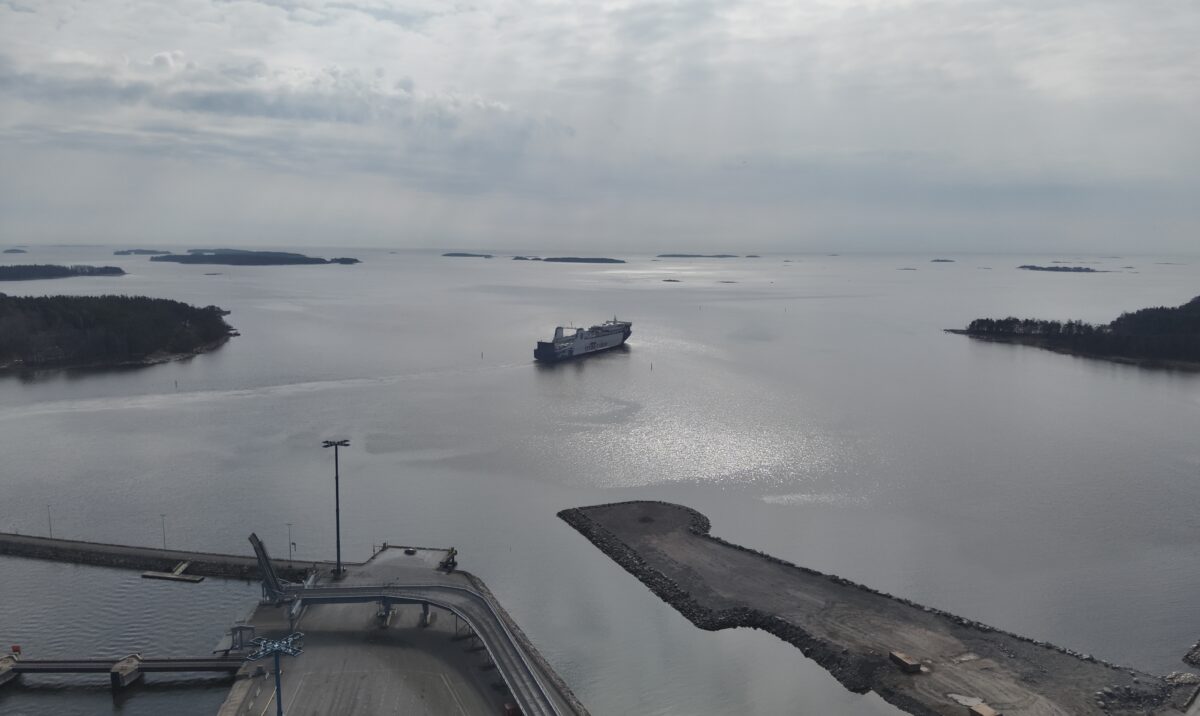
“The port is an important driver of the city’s economy and vitality. Helsinki is a huge import port, through which a large proportion of Finland’s foreign trade passes. The port is also important for tourism.”
Cruise traffic is growing, and Sazonov sees extra potential for Helsinki to become a changeover port for cruises. This has already significantly strengthened the economy in several other European port cities.
A thirty-year trajectory
The revamping of Helsinki’s harbours has been a long process.
“Moving one of the harbours to Vuosaari in the 2000s was a foresightful decision. The Helsinki districts of Kalasatama, Kruunuvuorenranta and Jätkäsaari have developed as a result of reorganising the port’s activities,” says Sazonov.
The next step is to reorganise the downtown harbours: Tallinn traffic will move to the West Harbour, which will be connected to Länsiväylä highway by a port tunnel. The City Council will discuss the port tunnel by winter 2026 at the latest.
“’When the whole process has been completed in the 2030s, the Port of Helsinki will be fully modernised,” says Sazonov.
Collaboration to create a positive growth spiral
The City of Helsinki’s strategy for 2025–2029 focuses on growth and vitality.
“This period needs a positive growth spiral. Although the City cannot solve all of the challenges, we are doing our part,” says Sazonov.
The City invests in marketing tourism and implementing projects that will increase Helsinki’s appeal, such as a new Museum of Architecture and Design in the Eteläranta area.
The Helsinki maritime cluster is one of the focal points of the City’s economic policy – a cluster of shipyard, marine technology, logistics and maritime companies that employs thousands of people.
Sazonov says that successful cooperation between the City, trade and industry is absolutely essential.
“The city cannot develop without it. We recently launched our new operating principles, and they also emphasise working together, both internally and with others,” he says.
The sea is an important aspect of Helsinki’s identity
The sea is also an important aspect of Helsinki’s identity and life in the city. The mayor lists several examples: Helsinki already has great scenic routes along the coast, increased vessel traffic to its islands, the Helsinki Biennale on the island of Vallisaari. Future goals will be even more ambitious in terms of opening up new islands, services and sea routes.
Although Sazonov was born and raised in Helsinki, he has mainly enjoyed the sea from the shore. But in recent years, his partner and boating-enthusiast friends have been taking the mayor out onto the water more and more often. “We discovered all kinds of new places when we went sailing off the Helsinki coast last summer. We were constantly amazed by all the different islands we stumbled across. I think that many Helsinki residents would see their city in a whole new light from the sea. For example, you view Helsinki from a completely different perspective from islands such as Isosaari or Vallisaari.”
Who?
– Daniel Sazonov is a 32-year-old politician from the National Coalition Party, and has a Master’s degree in law.
– Mayor of Helsinki since June 2025.
– Lives in downtown Helsinki with his partner Anita.
– His hobbies include jogging, fitness, cooking and reading.