

Marcus Risberg: “Towards electric shipping in the Baltic Sea”
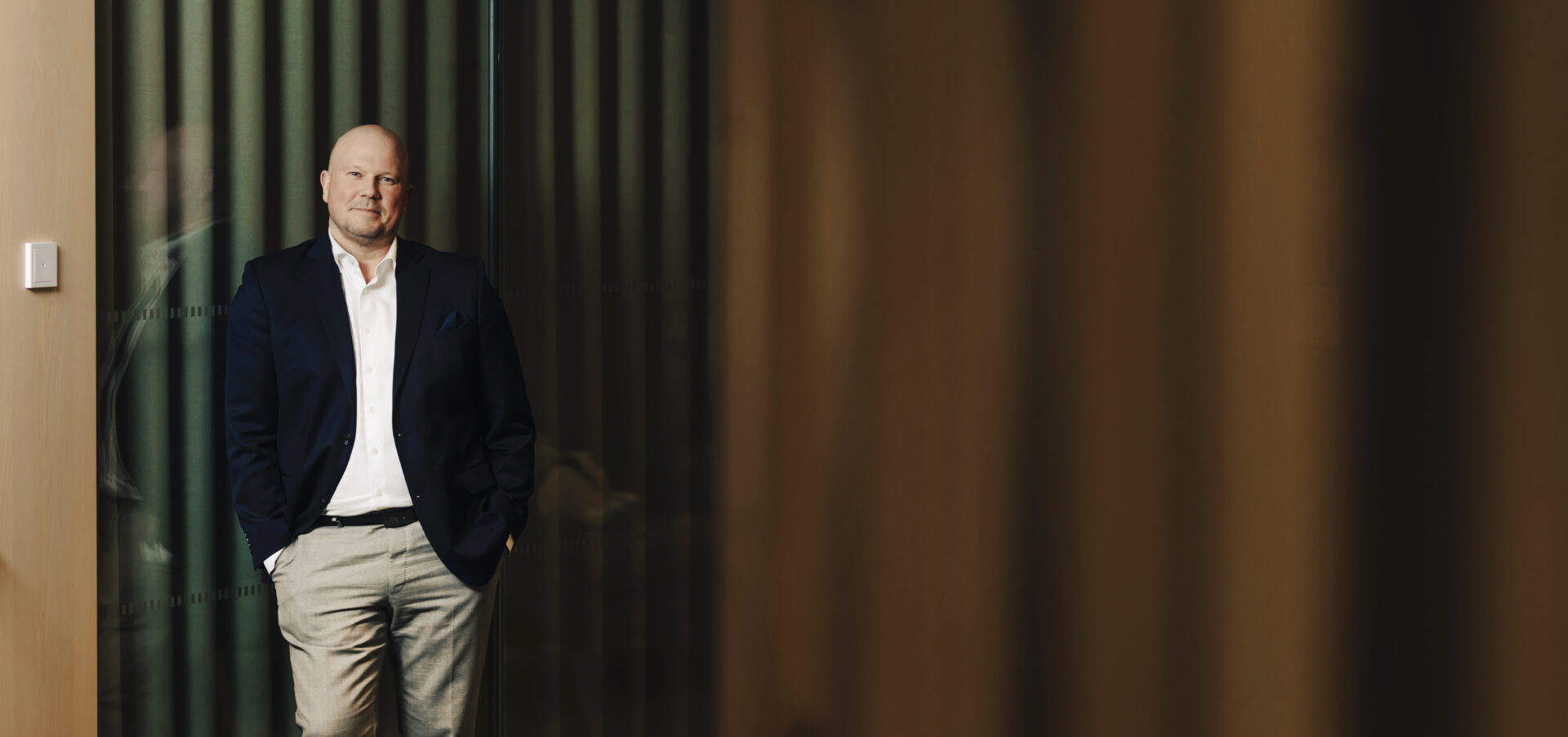
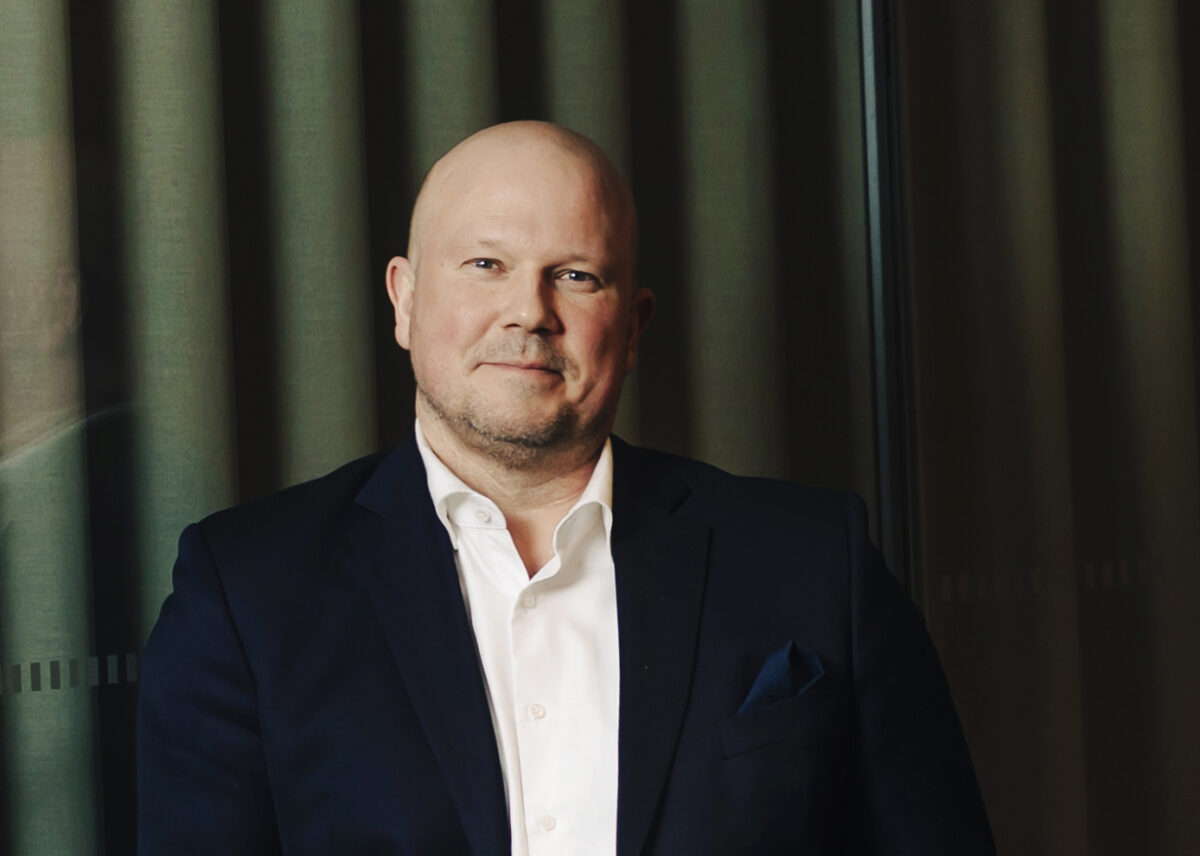
Viking Line’s CEO, Marcus Risberg, had his first taste of employment through a summer job at the Port of Mariehamn. Now he is steering Viking Line towards a more sustainable future.
When 17-year-old Marcus Risberg started his first summer job at the check-in counter in the Port of Mariehamn’s passenger terminal, he had no idea that he would one day be running a whole shipping company.
Risberg has spent the majority of his career in the shipping industry: many years at TallinkSilja (the last six as CEO), before taking the helm at the Swedish company Destination Gotland. Risberg took over as CEO of Viking Line in November 2025.
“Things have gotten off to a very fast and really good start,” says Risberg with a smile. Risberg lived in Sweden for a long time, and admits that his Finnish is still a bit rusty. And yet he speaks it confidently – and flawlessly – during the interview.
Risberg seems to enjoy his fast-paced job. And there’s definitely plenty to do: “We need to develop our business, improve our result and strengthen our ability to invest in the future,” he says.
Electrification requires cooperation with the Port
When our discussion turns to investing in the future, Marcus Risberg specifically mentions the green transition and the electrification of shipping. The Viking Line ships that sail between Turku and Stockholm already use at least 50 per cent renewable biogas. The company unveiled its Helios concept ship in June last year: if built, it would be the world’s largest electric passenger-car ferry.
“The transition to electric ships requires new solutions at ports.”
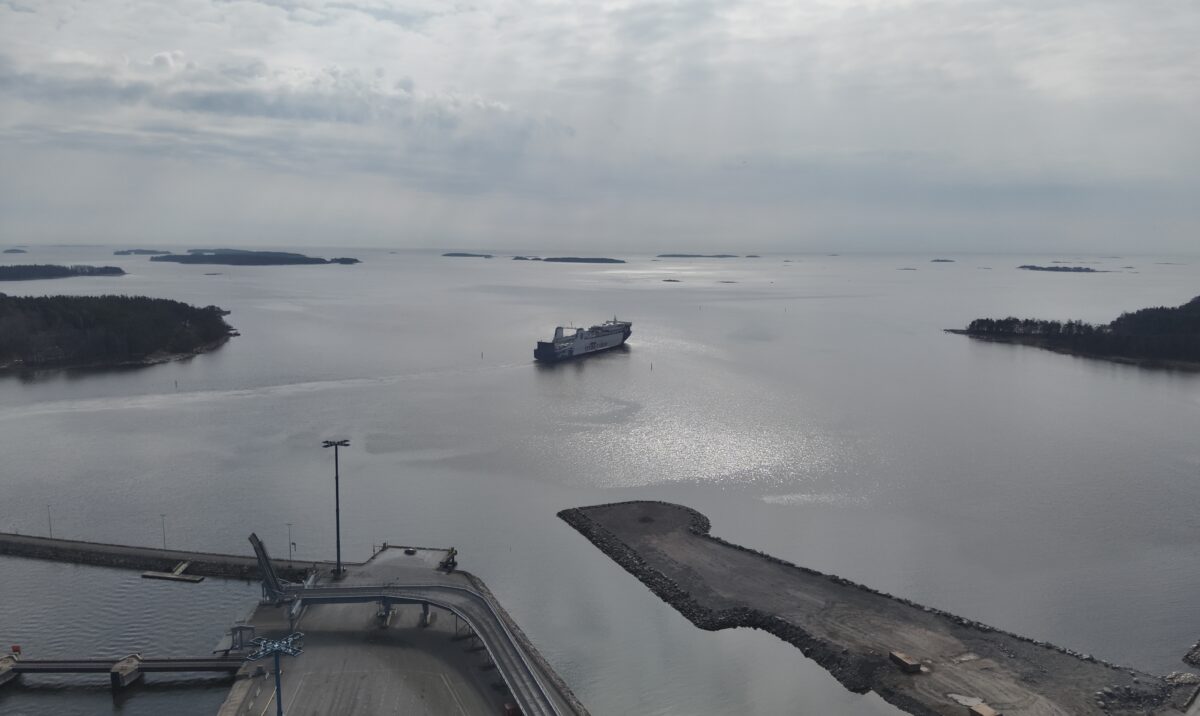
“Before the transition to electric ships can take place, we need new infrastructure to support them. At ports, this means things such as power distribution and charging solutions. Our collaboration with the Port of Helsinki is going well,” says Risberg.
Calls for tenders will be made to shipyards on the basis of project specifications that are currently being determined. The final investment decision will also be influenced by EU policy regulations, such as the FuelEU Maritime Regulation, which aims to reduce greenhouse gas emissions, and the EU Emissions Trading System. Risberg has not yet confirmed the final timeline for these investments, but the direction is clear: towards lower-emission shipping.
Quicker to adopt new trends
The new CEO says that Viking Line is well-positioned and has a strong brand. The challenge is to ensure that it remains appealing to future travellers.
Risberg is encouraging his team to improve the customer experience: Viking Line needs to bring social media trends aboard its ships more quickly, whether it’s a question of food or shopping selections. The operating environment (passenger-car ferries) also poses its own challenges.
“Baltic Sea transport is a unique package: it doesn’t mean just a hotel, a store, a restaurant or a forwarding company – it means all of these things at once. This lends it a complexity that keeps it interesting,” he says.
Marcus Risberg spends half his time working in Mariehamn and the other half out and about visiting a variety of offices and ships.
“The best thing about this job is the people. When I see the joy and experiences that a cruise can give our customers,” says Risberg.
“My goal is to ensure that the Baltic Sea will be even more sustainable and enjoyable in the future than it is today.”
WHO?
Marcus Risberg
- CEO of Viking Line, as of 3 November 2025.
- Born in Helsinki and raised in Mariehamn. Studied law at Stockholm University.
- His previous work experience includes CEO of Tallink Silja and Destination Gotland.
- Divides his time between Finland and Sweden.
- Has a wife and three children.
- Enjoys exercise and travel.