

We’re staycationing this summer
Our turbulent times are being reflected in the growing popularity of local tourism. For ships, this means more passengers. Yet rising fuel prices are also causing concern for shipping companies.
Compared to previous years, last year was relatively stable for ship travel.
“Volumes haven’t changed much, and that might look a bit dull in the figures. Yet all sorts of things are happening at the moment, and the world is in turmoil. There are, however, some fairly positive signs regarding ship travel,” says Kaj Takolander, Vice President of Passenger Services at the Port of Helsinki.
He says that ship travel is generally considered to be a good product during a recession. If customers have to cut back on spending due to a decline in purchasing power, destinations like the Maldives and Thailand will be off the table – but local tourism will continue.
“This will, of course, be balanced against people’s overall purchasing power – how much they can spend on travel and treats. The harsh truth is that purchasing power hasn’t gone anywhere. We haven’t experienced any dramatic changes that would mean people don’t have any money. They are just being really cautious about spending right now. People have the purchasing power, but they don’t want to spend on travel, as it isn’t a necessity.”
Takolander says that Finland is attracting more interest from Southern European and Asian travellers now that trips to Southern and Central Europe are no longer appealing due to oppressive heat.
“It’s incredibly hot in Southern and Central Europe right now, so people are heading to cooler countries for the summer. Here in Finland, we have pleasant temperatures and clean air.”
Liner companies are extremely important to the Port of Helsinki, as they bring considerable amounts of volume to the port.
“We also have good working relationships with shipping companies. Shipping companies are very forward-looking. They each have their own way of operating, and are aiming to build on their respective strengths.”
Viking Line appointed a new CEO, Marcus Risberg, last November, while Tallink Grupp welcomed its new CEO, Peep Jalakas, at the beginning of April. “This is a significant change for our industry, as new CEOs always bring a breath of fresh air. Expectations are therefore high.”
The importance of local travel is growing
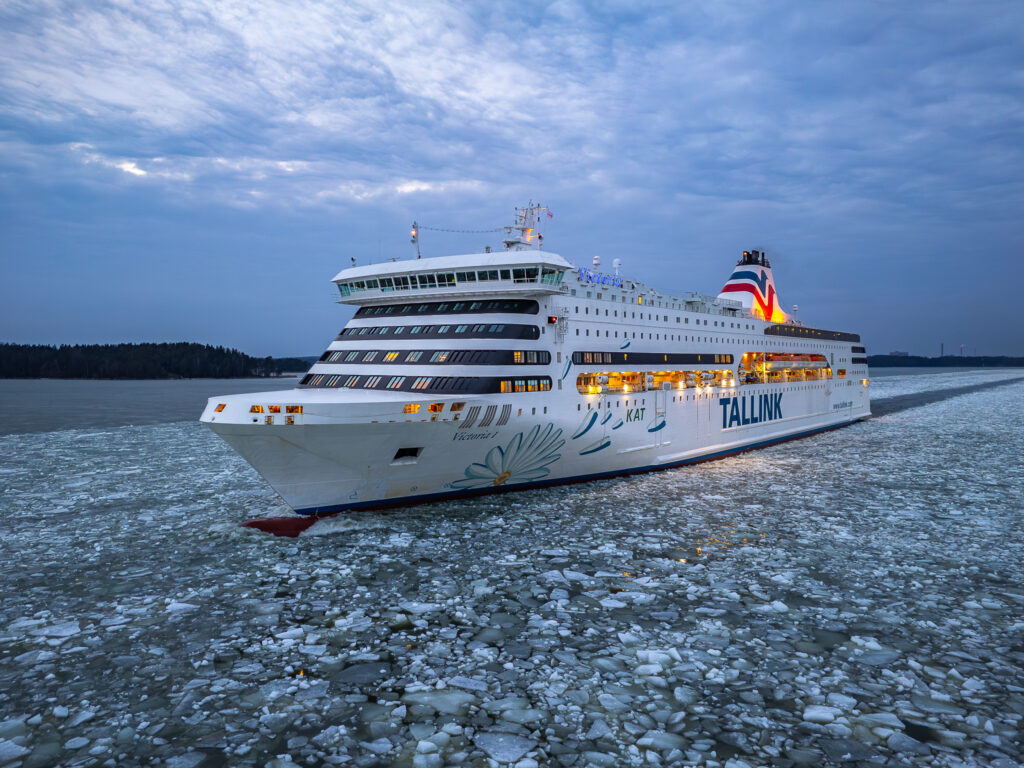
Tallink Silja has had an excellent and busy start to the year, and passenger numbers have also increased. This growth came from both Finnish and international travellers.
“Our environment has changed. The world is so unpredictable at the moment – it’s hard to guess how things will unfold,” said Tallink Silja’s CEO, Margus Schults.
International travellers whose flights were routed through Arab countries had difficulty flying to Europe. Which is why some groups were cancelled during the spring. However, Schults believes that we have a good summer ahead of us.
“I believe that, after the initial shock caused by the war, international travellers will be able to reschedule their flights and interest in the Nordic and Baltic countries will continue unabated.”
As in previous years, Tallink Silja’s schedule includes special cruises to destinations that are otherwise quite difficult to reach from Finland without taking a ferry. Cruises to Riga and Visby are on offer during the summer. The shipping company is also organising an opera cruise to Saaremaa in collaboration with the travel agency Ikaalisten Matkatoimisto.
Priority boarding is being introduced on the Tallinn route, allowing people to board before other passengers.
“The downsides include the rising price of fuel. However, we have raised ticket prices only very slightly. It remains to be seen where fuel prices will settle. Our fuel costs totalled EUR 100 million last year. If costs rise by 20 per cent, we will have to take steps to recoup that loss.”
“Passengers are interested in environmental perspectives and emissions, but whether they are willing to pay for it is another question. If we have to charge higher prices, our passengers’ interest may quickly wane.”
Finnlines is modernising its fleet
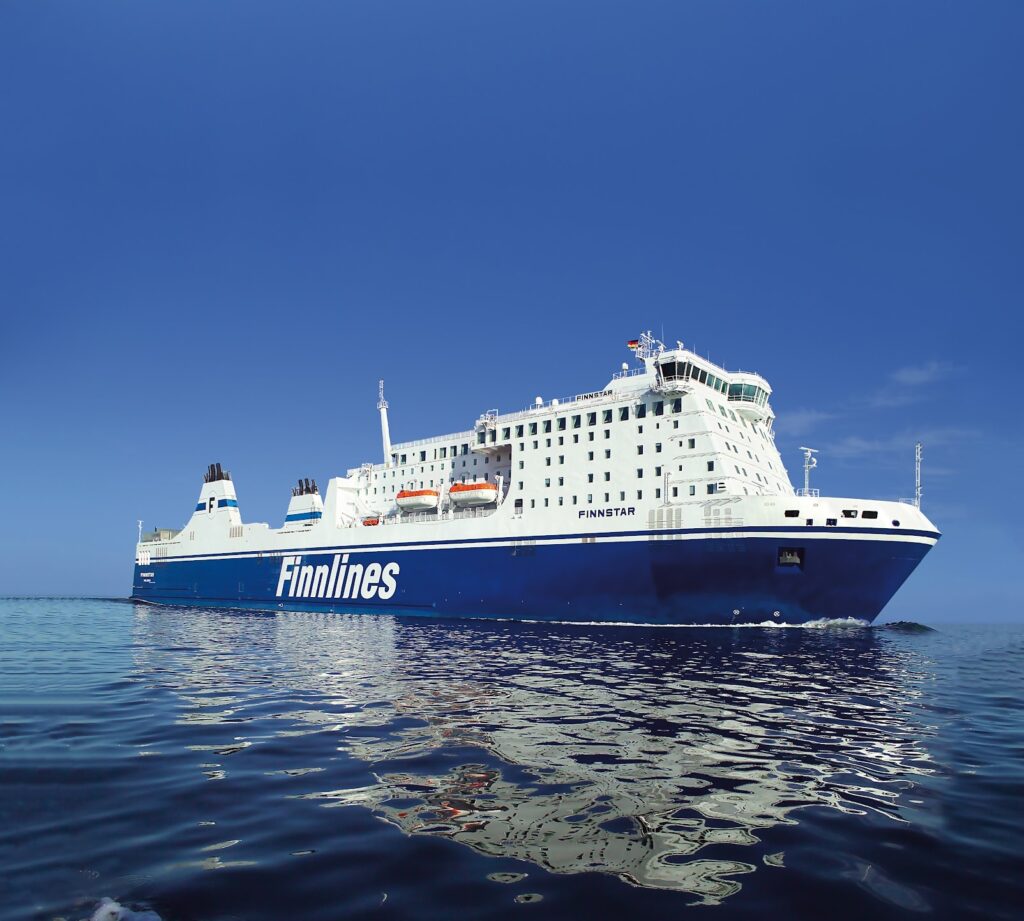
The number of passengers on Finnlines’ German route increased by seven per cent last year. Summer bookings are on par with last year, which is a good start to the upcoming season.
“We are pleased to have achieved growth with the same capacity and schedules. Customer satisfaction with the route has also risen along with passenger numbers. The results show that our updates have been successful – and this work will continue,” says Marco Palmu, Head of Passenger Services at Finnlines.
German groups grew by 77 per cent during the first three months of this year thanks to favourable ice conditions.
“We’ve been working with Wasaline. We took our customers to Vaasa to see the sea ice, and there was also ice in the Helsinki region throughout February. Together, we have successfully marketed Finland to our German customers. February and March have now become our new high season.”
Fifteen themed cruises were organised on the German route over the past year, and their popularity has remained steady.
“Our goal for this year is to achieve growth. We’re preparing new ships with significantly greater capacity than our current fleet. The first new vessel will be completed in 2028.”
One of last year’s themed cruises was a Satu Rämö cruise in November 2025.
“The Literary Cruise combined our Travemünde–Helsinki route’s classic mini-cruise concept with an engaging literary experience. About 50 people arrived in Helsinki after crossing the Baltic Sea in 31 hours. They enjoyed a five-hour stay in the Finnish capital before returning via the same route.” Kristiinan Matkat is another partner with whom the company is seeking to expand its successful collaboration. The tour operator’s latest offering is city breaks, such as hotel stays in Hamburg
Themed cruises to continue throughout the summer
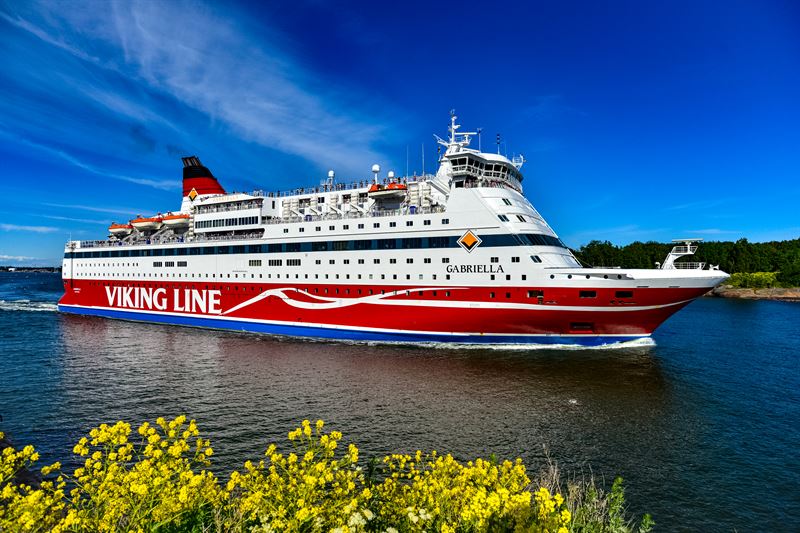
2025 was a mixed bag for Viking Line. Traffic from Helsinki performed well, and the Helsinki–Stockholm route saw robust growth. The overall market also grew, perhaps due to a slight increase in the shipping company’s capacity.
“2025 was also a good year for our Helsinki–Tallinn route. We came close to matching 2024 levels, which was a peak year for us,” says Minna Tuorila, Viking Line’s Commercial Director.
“Although we’re still the biggest and best on the Turku route, competition is fierce with three operators and five ships. We did quite well there as well, taking a market share of about 70 per cent.”
“This year has gotten off to a slightly slower start. The spring half-term was not as good as it has been, as people could go skiing even in southern Finland this winter. Finns love sport, so the Olympics definitely had some of our passengers glued to their TV screens. March was really good for trips to Tallinn.”
The number of international customers has increased. The USA is a large market, and there’s also been interest in Spain and Poland.
“Local tourism traditionally picks up during unstable times. But we’re currently facing an exceptional situation: a new crisis is far on the horizon, but it is hitting everyone’s wallet. If fuel prices start to rise, it may also drive up food prices. People have already had to deal with high electricity bills. It will be interesting to see how this plays out.
Everyone wants to travel responsibly, but few are willing to pay the biofuel surcharge. Customers assume that when they choose a responsible shipping company, it will just take care of everything.”
Well-balanced developments
Last year was a good year for Eckerö overall. Which is somewhat surprising to Taru Keronen, Eckerö Line’s CEO, as last year brought all sorts of surprises and they had to change tack many times.
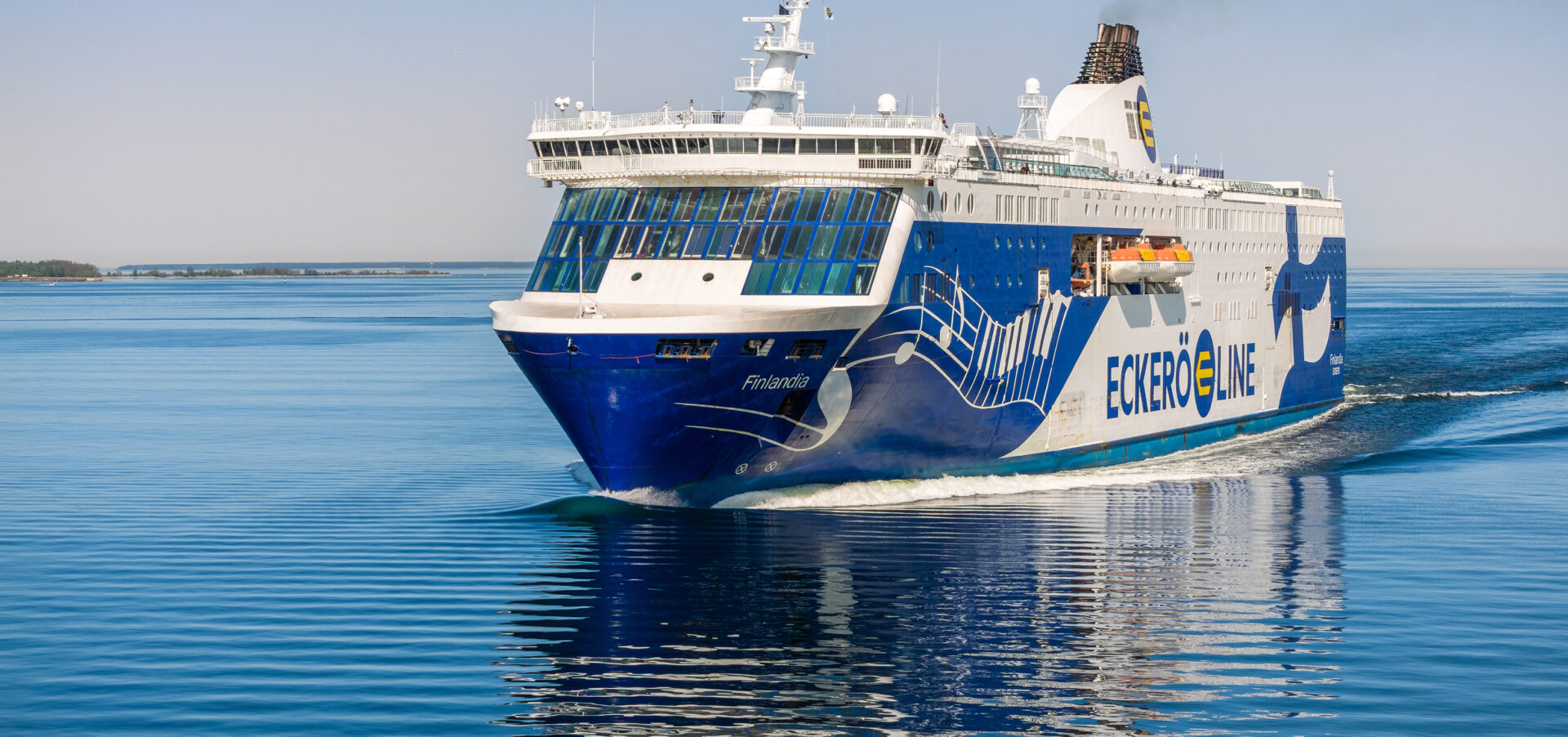
“We’ve carried out a broad range of development projects, both before and after the turn of the year. M/S Finlandia headed to the dry dock in Landskrona. In addition to standard maintenance, a large steel tank (Konttinen) was installed on the ship’s ninth deck to house a battery the size of a shipping container. It will replace three per cent of fuel consumption with electricity.”
“We also made some changes to customer areas on M/S Finlandia. Our goal was to streamline customer flows: we renovated the buffet area and updated the menu.”
“There are lots of new and interesting things to experience in Estonia.”
A new area, Bistro & Cafe Satama, was also added to deck nine. The cafeteria gained 150 new seats. Horizon Seats – an area with another 150 seats – was created for customers seeking a quiet space to rest, work or relax.
“I believe we’ll have a good number of passengers, as there are many new and interesting things to experience in Estonia. Finns have long been interested in nature tourism, and Estonia has some great nature destinations. Leisurely activities like cycling are pretty easy in Estonia, as the country is so flat. Our customers are also interested in cultural attractions, and Tallinn has plenty of new and interesting exhibitions and events. Vacations also need some substance.”
Eckerö is hiring dozens of young people for the summer.
“We hire young people all throughout the year, but especially during the summer. It seems that about half of the young people who worked for us last summer want to come back again this year. They’re nice, smart people.”