

Off the ship: Sights near the West Harbour and Katajanokka Terminal
The Port of Helsinki terminals are located close to Helsinki city centre, with historic buildings, seaside views, and pleasant walking routes, offering a glimpse of everyday life in Helsinki.
Both districts where the West Harbour and Katajanokka Terminal are situated are vibrant areas of Helsinki that offer a mix of maritime history, architecture, and modern urban life. Locals live there alongside the port, with port activities forming part of their day-to-day lives. Locals often follow arriving ships’ timetables, and the different ships in the harbour adds a special maritime backdrop to the city. By walking around the area, you will see and experience Helsinki like a local.
Katajanokka: Functionalist architecture, Art Nouveau, and maritime history
Viking Line ferries depart to Stockholm and Tallinn from Katajanokka Terminal. As you exit the terminal, you will immediately notice the striking red brick building that houses it. Designed in 1937 by architect Gunnar Taucher, the building reflects functionalist architecture, with its raw brick structure clearly visible.
Originally built as a freight port facility, it became a passenger terminal in 1977. Today, Katajanokka Terminal is undergoing exciting changes, and by the early 2030s, all ferries to Stockholm will operate from here.
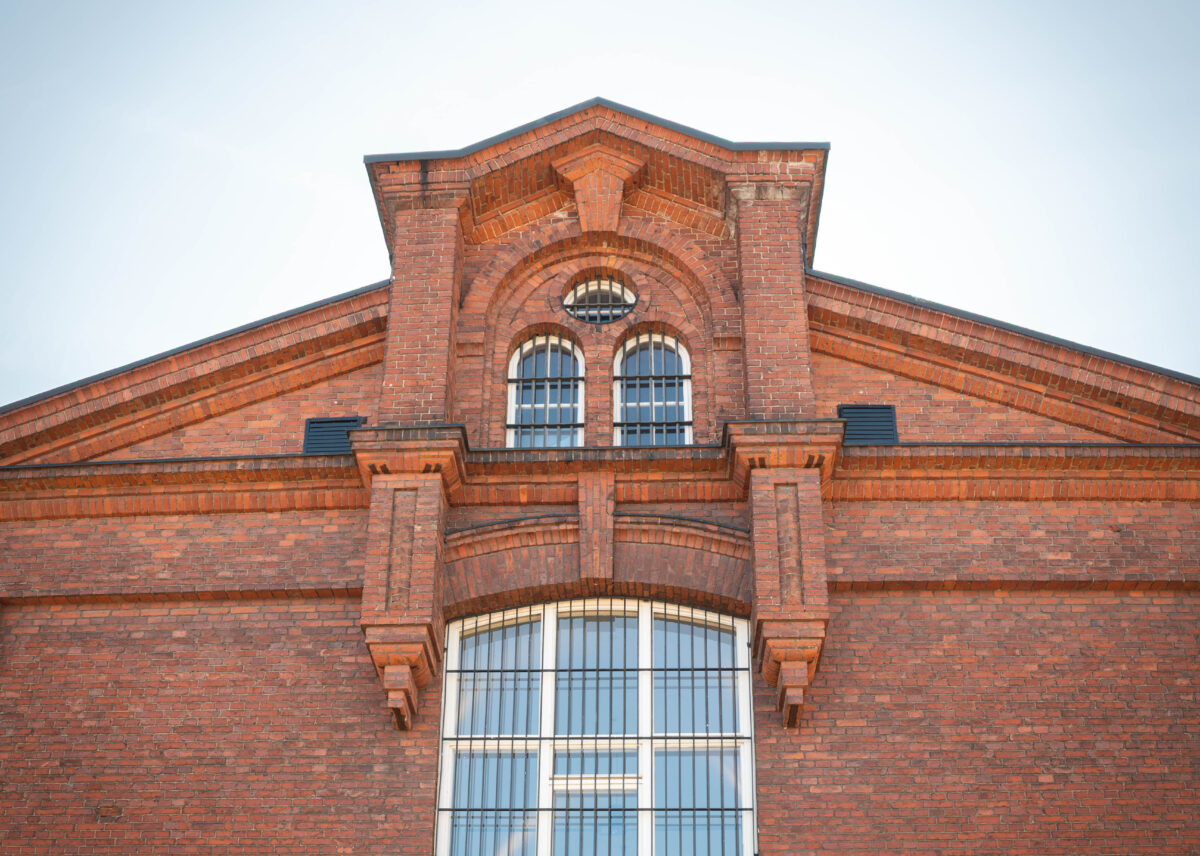
Near the Vyökatu tram stop, where Tram 4 departs, you will find the former Katajanokka Prison. Operating from 1837 until 2002, the prison once held notable political figures, including former President Risto Ryti and former Prime Minister Väinö Tanner.
Since 2007, the building has been transformed into a hotel, while preserving distinctive features such as barred windows and metal doors.
Beyond the red brick buildings, Katajanokka is also known for its numerous Art Nouveau structures, representing Finnish National Romanticism. These buildings distinguish the local style from its Central European counterparts, incorporating uniquely Finnish symbolism and decorative elements like those in the Eira district.
Luotsikatu is one of Helsinki’s most picturesque streets, lined with colourful Art Nouveau houses located in Katajanokka. It has been voted Helsinki’s most beautiful street by readers of Helsingin Sanomat, Finland’s largest newspaper.
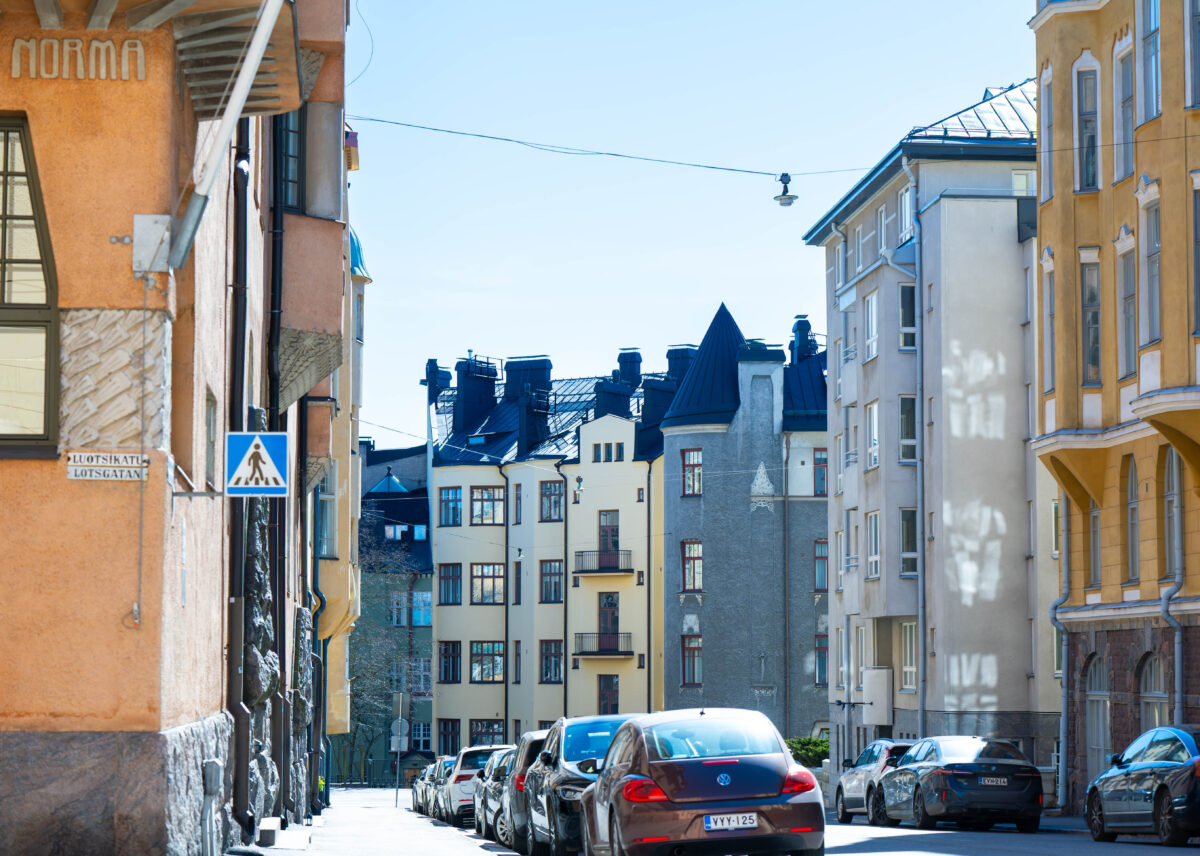
The street features ornate decorations, chateau-like roofs and bay windows reminiscent of medieval castles seen in fairy-tale films. Finnish artist Tove Jansson, creator of Moomins, spent her childhood in Luotsikatu 4.
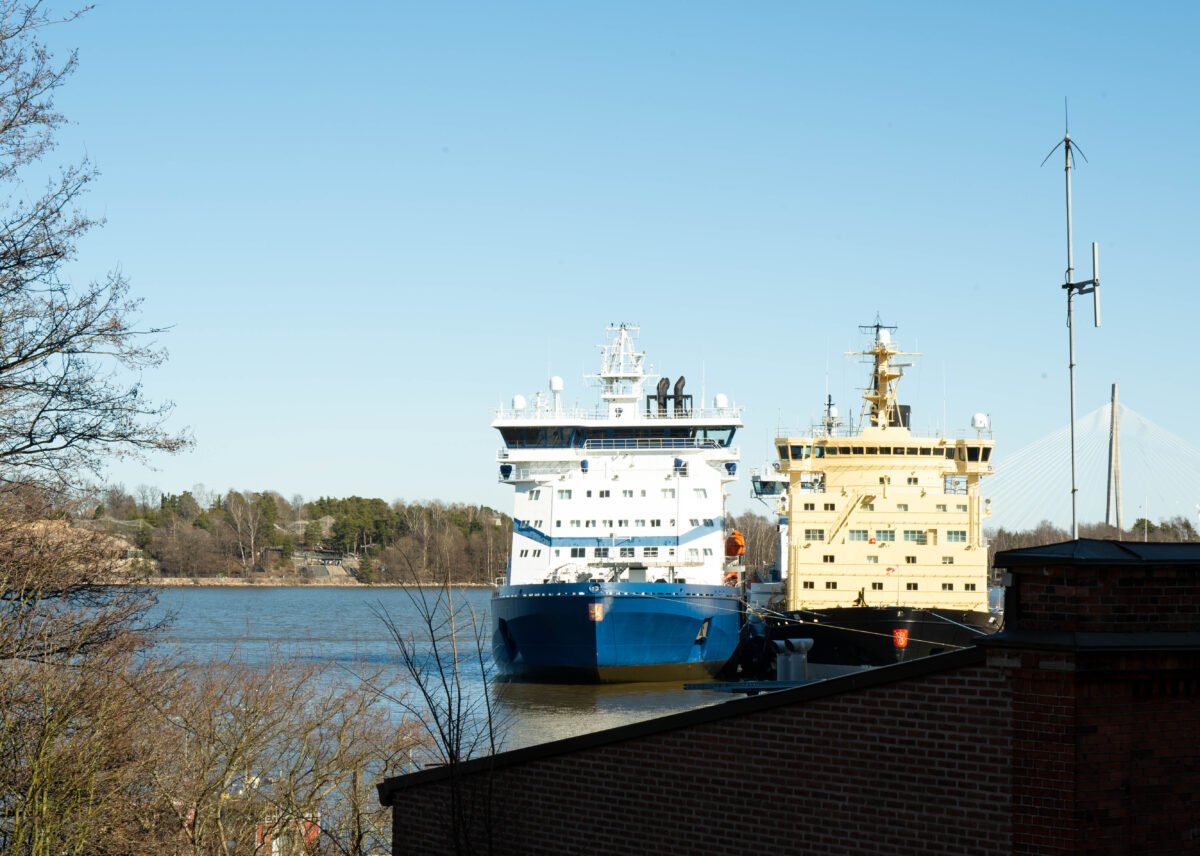
If you walk north towards the coastline, you can see Finland’s icebreakers docked at Merikasarmi quay when they are not in operation. Icebreakers play a crucial role in maintaining Finland’s economy.
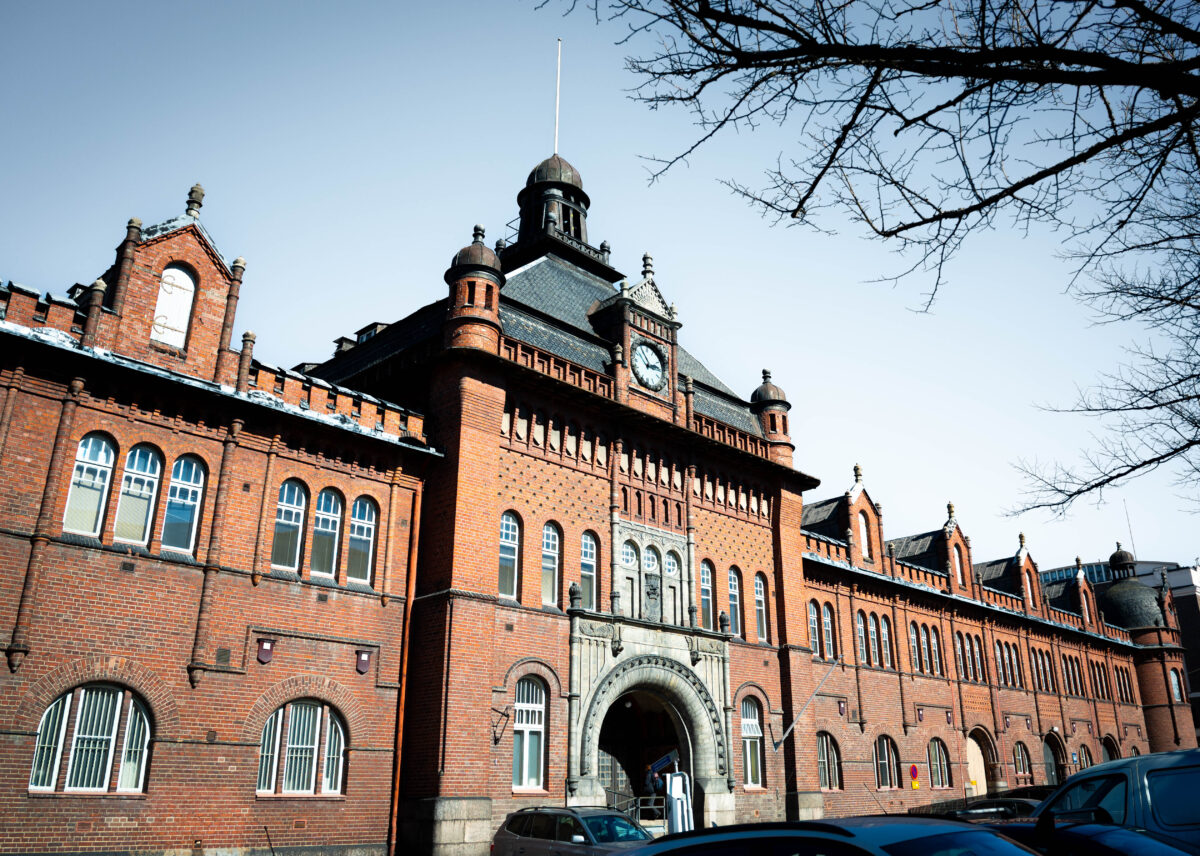
Just an eight-minute walk away from Katajanokka Terminal, at Katajanokanlaituri 5, you will find a red Neo-Renaissance brick building designed by architect Gustav Nyström, the same architect as the Old Market Hall in Market Square.
The former Customs and Bonded Warehouse was historically used for customs inspections and storage of imported goods. Today, the building is no longer in operation, as customs procedures are now handled digitally.
Around 95% of Finland’s foreign trade passes through the sea. When the sea freezes during winter, these powerful vessels ensure year-round access for both cargo and passenger traffic.
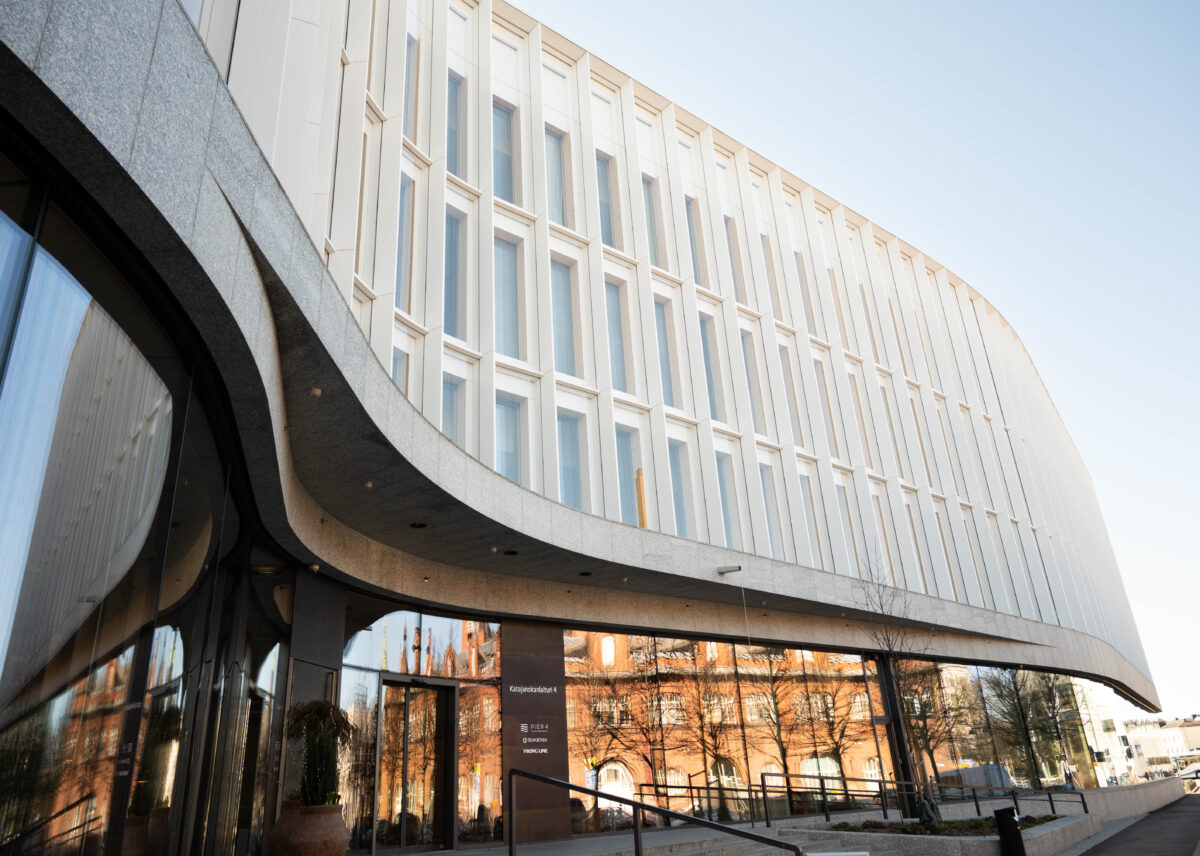
Across the street stands Katajanokka Pier, a modern wooden building completed in 2024. It houses the headquarters of Finnish forest industry company Stora Enso, as well as a hotel. The ground floor and rooftop terrace are open to the public, offering a contemporary look contrast to the area’s historic surroundings.
The opening scene of the Port of Helsinki’s brand video was also filmed at this hotel.

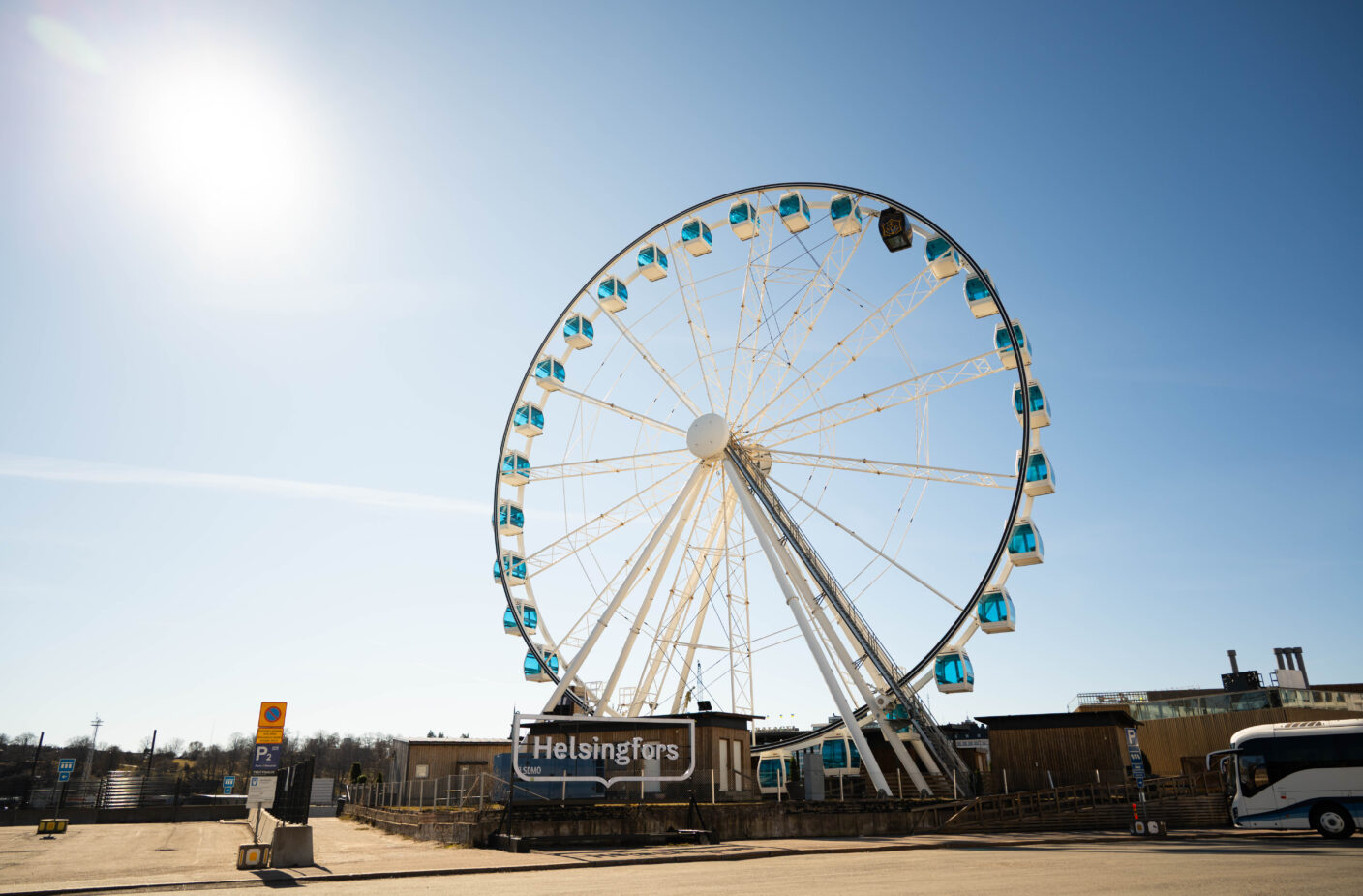
At the end of the street, you can ride the Helsinki SkyWheel, a 40-metre-high Ferris wheel offering panoramic views of the city. The heated cabins allow visitors to enjoy a bird’s-eye view of the frozen Baltic Sea during winter. Locals often book the Ferris wheel sauna to enjoy it with friends.
Jätkäsaari: A modern maritime district
West Harbour is the Port of Helsinki’s busiest passenger terminal, with 10 daily departures to Tallinn and millions of passengers passing through each year. The surrounding Jätkäsaari district has undergone significant transformation since its time as Helsinki’s main cargo port from the 1930s until 2008. It is currently undergoing development, with plans for a maritime centre and harbour tunnel.
In 1995, West Terminal 1 opened in a converted harbour warehouse to serve Tallinn traffic.
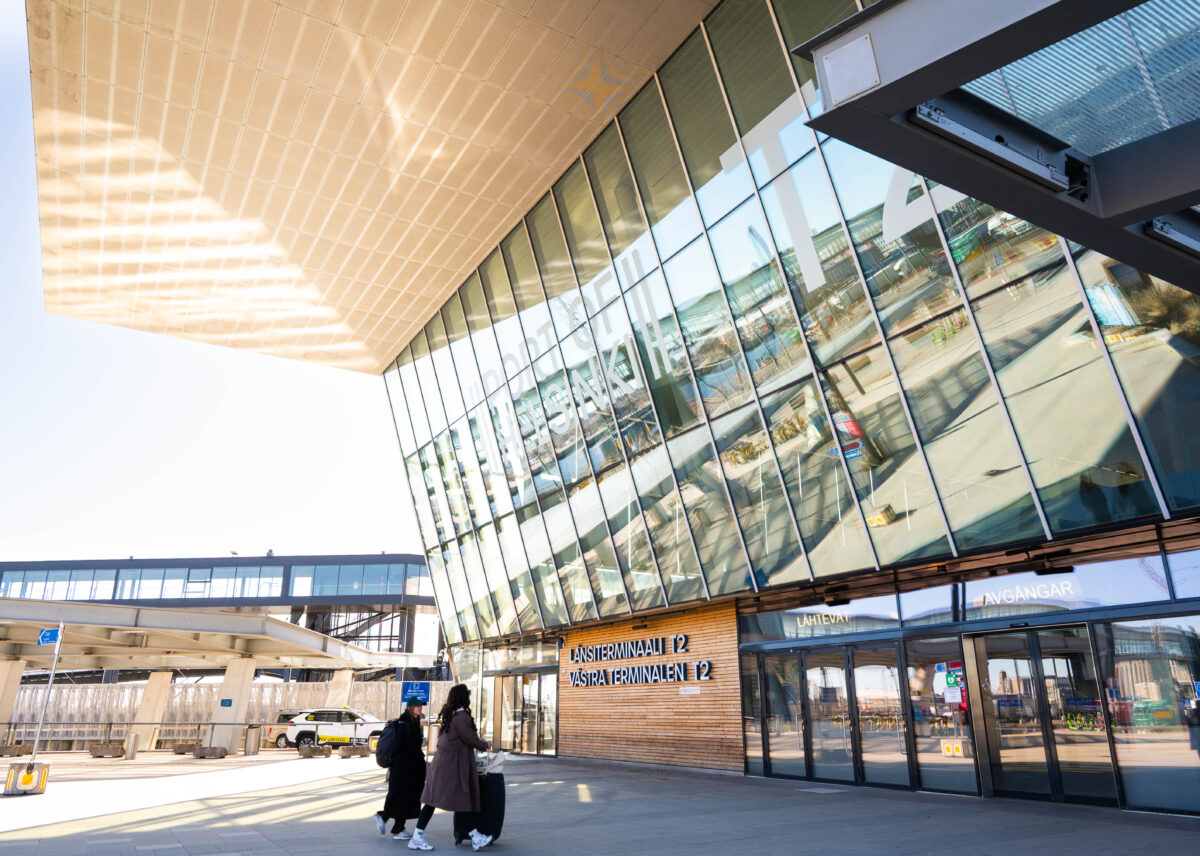
As passenger numbers grew, a brand new terminal, West Terminal 2, was built and completed in 2017. West Terminal 1 was later demolished in 2025 to make way for the development programme.

Today, Jätkäsaari combines modern urban living with reminders of its maritime past. Near the terminal, across the Atlantinsilta Bridge, visitors can see the light installation Fishermen of the Littorina Sea.
The Littorina Sea was a predecessor of the Baltic Sea around 9,000 – 10,000 years ago when sea levels were approximately 20 metres higher than today. The elevated boats in the installation represent the height at which people once fished when the area was underwater.

Another notable public artwork is the 8.5-metre-tall Bad Bad Boy sculpture, which captures a moment of awkwardness, often associated with Finnish culture. During summer, the sculpture also functions as a fountain. The sculpture is located in front of Verkkokauppa electronics store at Tyynenmerenkatu 11.
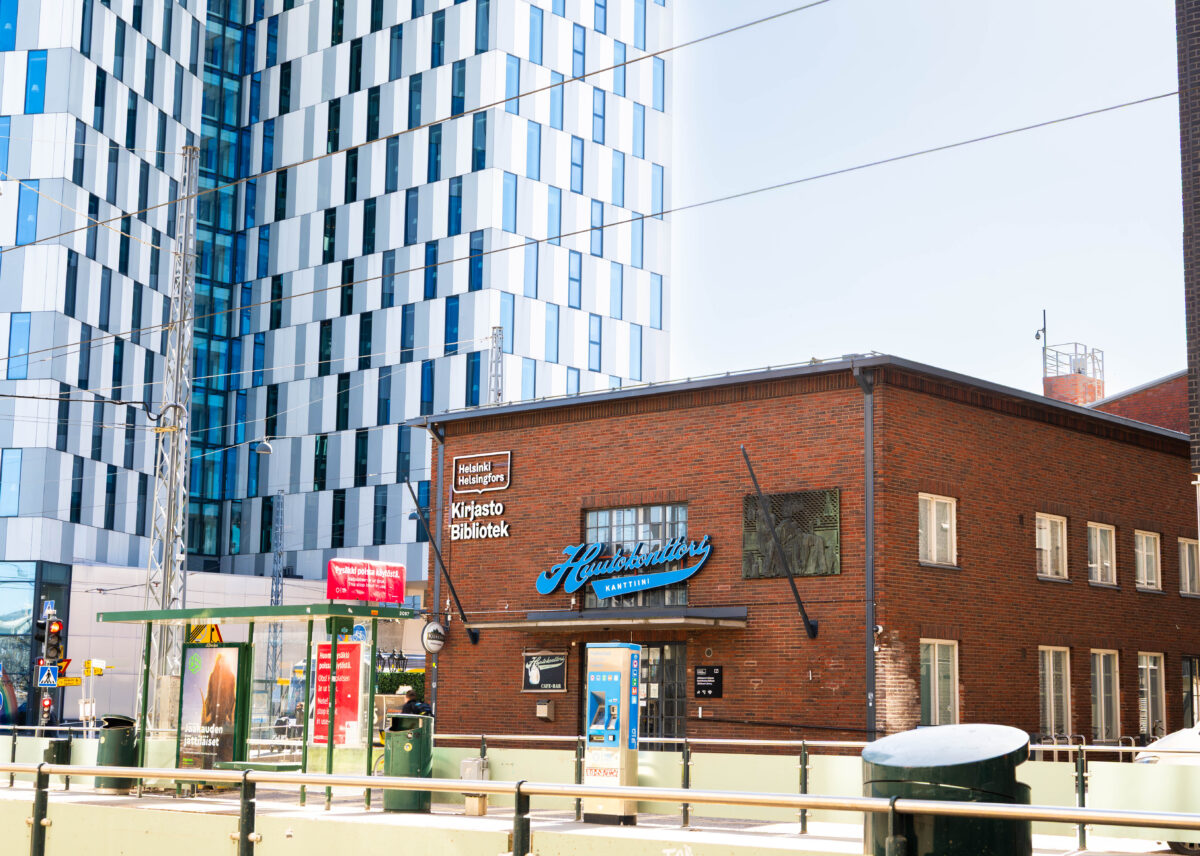
Jätkäsaari’s maritime history is still visible in structures such as the Huutokonttori [Shouting Office] building at Välimerenkatu 2, designed in 1937 by architect Gunnar Tacher, the same architect as the late West Terminal 1.
Before containerization, dock work relied heavily on manual labor. Workers gathered here daily, where a hiring clerk called out names of individuals for work, hence its name. Over time, this system was replaced by mechanization and permanent employment.
A historic harbour crane still stands on Jätkäsaarenlaituri as a reminder of this era.
Where Helsinki’s past meets its future
As Jätkäsaari and Katajanokka continue to develop, they are strengthening their role as vibrant maritime districts connecting Helsinki to the world via Tallinn and Stockholm.
While these areas are active residential neighbourhoods, the Port of Helsinki continues to operate alongside residents as a friendly and evolving neighbour. Visitors arriving via West Harbour or Katajanokka Terminal can experience Helsinki’s maritime heritage alongside modern city life, just as locals do.
Text: Nadira Kusaeni
Photos: Nadira Kusaeni